
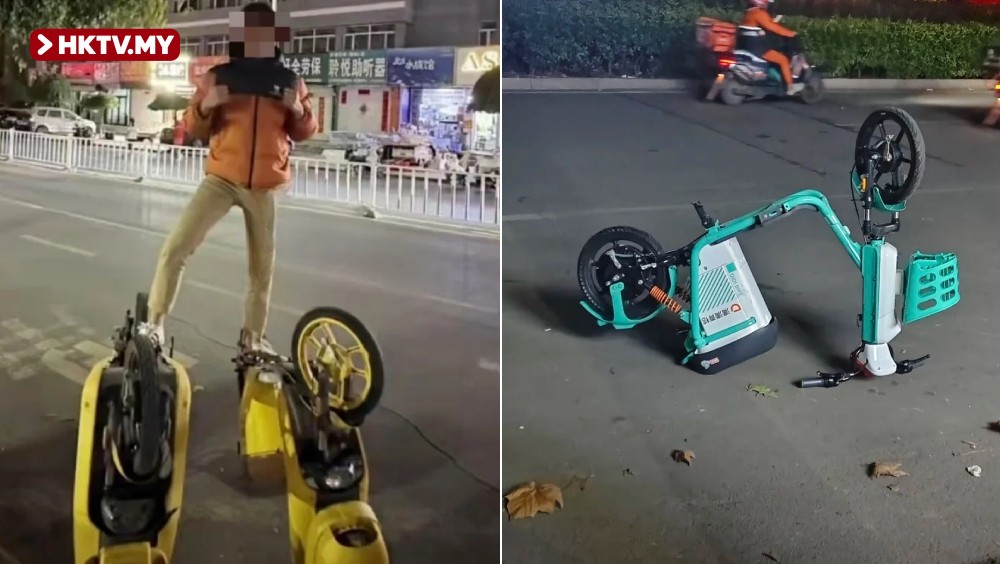
A severe trend of deliberately flipping shared electric bikes has emerged across multiple Chinese cities, prompting harsh crackdowns by authorities and significant operational burdens for platforms.
Origin and Impact of the Phenomenon
The trend, originating from an internet meme involving a live-streamer damaging public property, has evolved into a viral challenge that lured countless followers, including подростки, into imitating the act. Platforms report daily incidents in busy commercial areas, with hundreds of e-bikes flipped in a way causing severe damage to their delicate circuitry, structural deformation, and battery failure. The restoration process, involving manual flipping, imposes additional operational costs.
Beyond physical damage and traffic chaos, the behavior poses serious legal and ethical questions.
Legal Response and Significance
Law enforcement has acted swiftly, detaining and fining individuals involved. Notable cases include three men in Tai'an, Shandong, who, under the influence of alcohol, imitated the meme by aggressively flipping bicycles and assaulting officers, resulting in administrative detention. Meanwhile, a man in Gaotang, Liaocheng who claimed to be seeking attention fined 800 RMB for inverting three bikes. Similar incidents in several other cities have led to arrests and penalties. Domestic media and legal experts emphasize that this is no harmless joke but a deliberate misuse of internet challenges to incite violations. According to the Public Security Administration Punishment Law, such actions constitute intentional damage to public or private property, with potential criminal charges for losses exceeding 5,000 RMB, carrying up to three years in prison.