
A 43-year-old woman in Nanjing, Jiangsu, had a twin pregnancy with a married corporate chairman, Zhang Bo (pseudonym), leading to a legal battle and a complicated family situation.
Legal Battle and Verdict
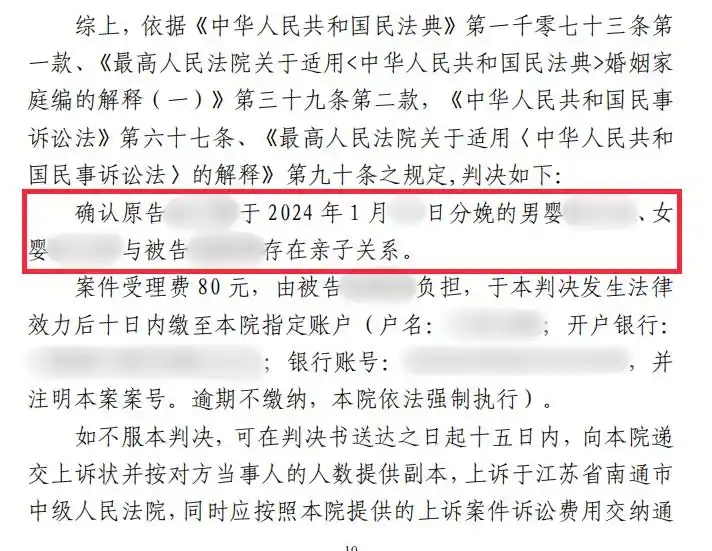
In January 2024, following the birth of twins, Yuan Yuan (pseudonym) filed a lawsuit after Zhang Bo refused to acknowledge paternity or fulfill his parental responsibilities. Employing a DNA testing agency, Yuan presented evidence confirming Zhang as the biological father. During trial, Zhang questioned the children's origin, suggesting a potential assisted reproduction agreement, and later dropped a requested DNA test by refusing to pay for it. The court, however, noted their frequent interactions and discussions about childbearing, deeming the DNA evidence highly probable. In July 2026, the Intermediate People's Court upheld the ruling, confirming the parent-child relationship.
Practical Dilemmas and Broader Implications
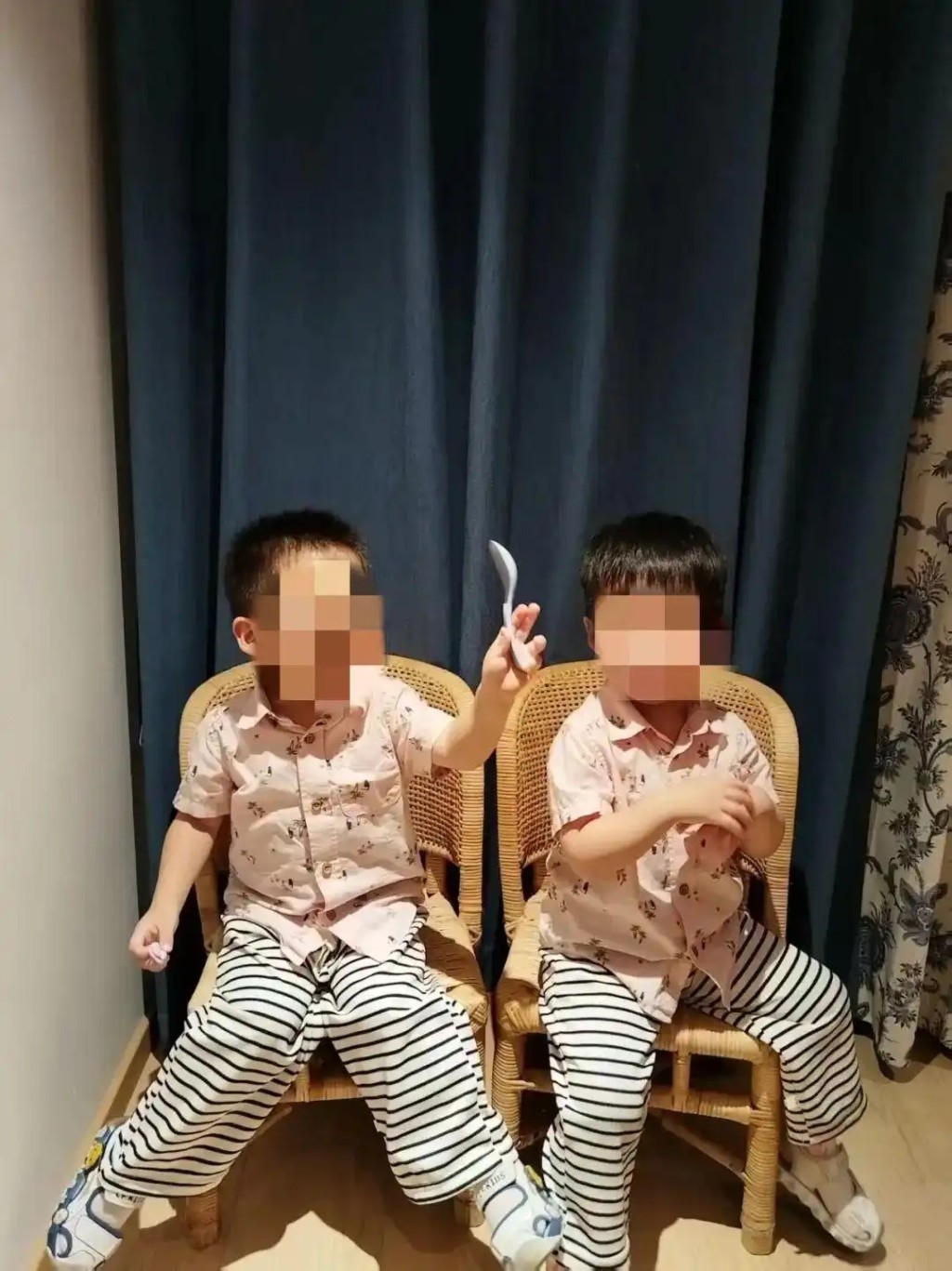
After the verdict, Yuan sought to register her children with her in Nanjing, but local household registration authorities required the biological father's presence for non-marital births. Since Zhang blocked Yuan's communications and refused cooperation, the three-year-old twins faced bureaucratic hurdles—missing legal residence permits, healthcare coverage, and kindergarten enrollment opportunities.
As Zhang reiterated his refusal to acknowledge the parentage, citing uncertainty about the children's biological link and initial warnings about his marital status, the case highlights legal protections for non-marital children when they are subjected to parental avoidance. While court rulings establish parentage, the practical enforcement challenges underscore systemic gaps, especially concerning the execution of related rights and support systems.