

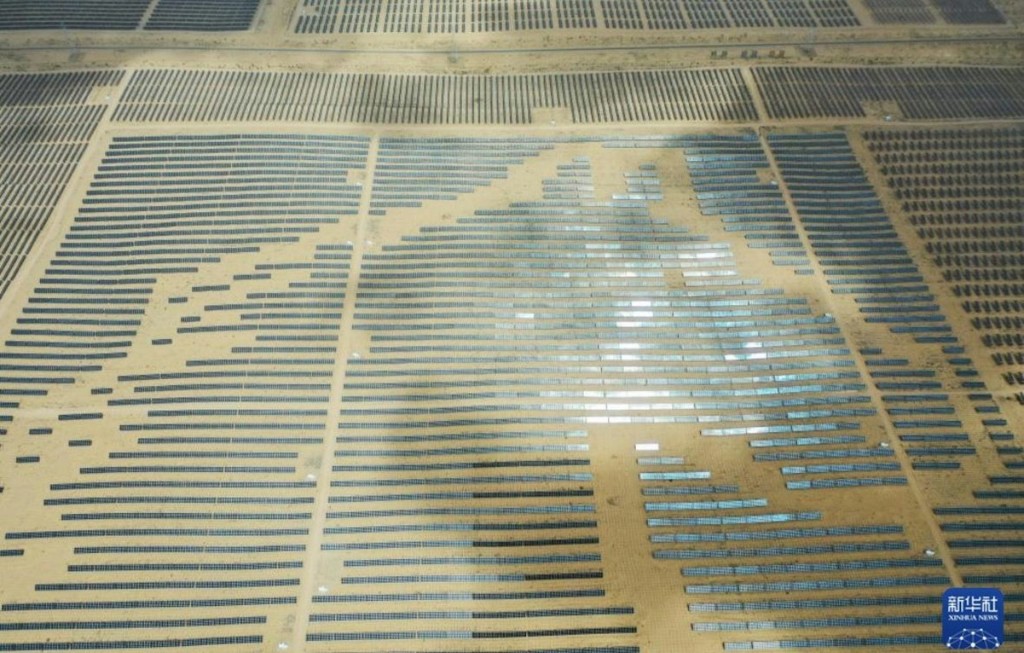
China officially revised its export control list, adding 23 AI свободно экспортируемыми technologies to address potential national security challenges. The revision focuses on AI technologies, including large models, intelligent systems, and computing clusters. Additionally, biomedicine and photovoltaics were also incorporated, covering five technologies such as cell and gene therapy and 12 technologies relating to polysilicon and silicon wafer manufacturing.
Background and Current State of Technology Export Regulation
This move aims to ensure that key technologies do not fall into the hands of non-state actors. Spokespersons from the Ministry of Commerce stated that the newly added technologies could be used to attack national critical infrastructure or bypass national security defense systems, posing potential threats to national and global safety. Importantly, technologies already open-sourced or published in academic papers are excluded from the management scope.
The Ministry of Commerce noted that the current modes for AI technologies to enter overseas markets are diverse, with the key criterion for determining whether a specific case falls under technology export management being whether it involves the transfer of restricted technologies from China to foreign countries. Furthermore, the new regulations provide automatic approvals for the external licensing of biomedicine technologies that do not involve intellectual property transfers.