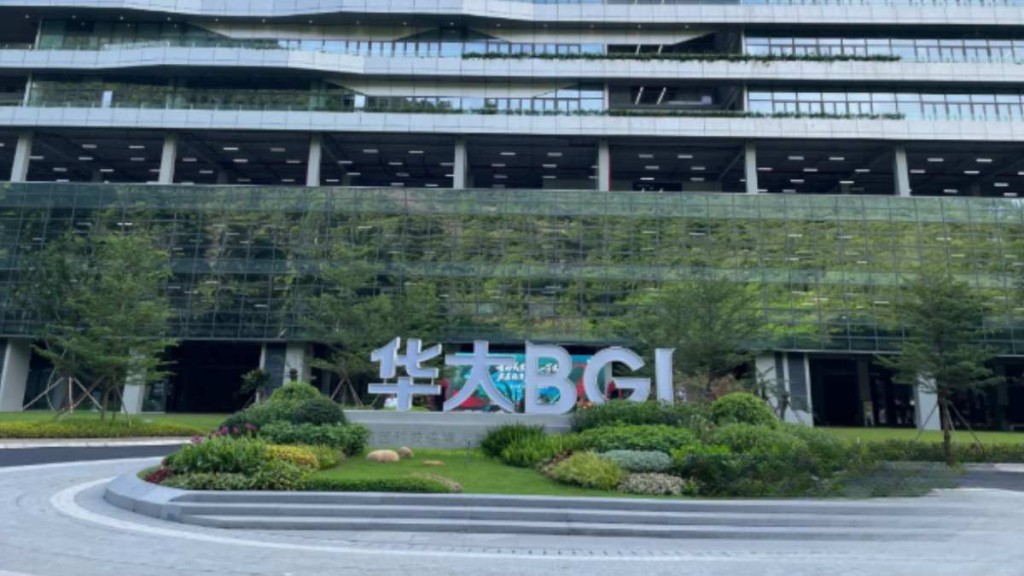
The U.S. Department of Homeland Security has banned the entry of products from three Chinese genetic technology companies—Shenzhen BGI, Shenzhen Biomax, and the BGI Group—into the U.S., due to their alleged involvement in forced labor in Xinjiang. This action brings the total number of entities listed under the Uyghur Forced Labor Prevention Act to 190, which includes entities involved in cotton, canned tomatoes, and electronics. Meanwhile, China's Ministry of Foreign Affairs expressed its condemnation of the U.S. for its smear campaigns against Xinjiang and urged the U.S. to stop manipulation of the "forced labor" issue. Shenzhen BGI has denied any involvement in forced labor and stated that its U.S. business forms only a small part of its operations, and that being listed on the list will not have a significant impact on its operations. The U.S. Department of Homeland Security, through the UFLPA signed into law by former President Biden in 2021, aims to prevent goods produced using forced labor from Xinjiang and other ethnic minorities in China from entering the U.S. market. Beijing maintains that it rejects all such allegations.
The U.S. has also listed 43 other Chinese companies under the same act, further tightening sanctions on businesses involved in forced labor in Xinjiang. The U.S. government claims that BGI and BGI Group conduct genetic testing in Xinjiang and collaborate with local governments to recruit, transport, transfer, or receive forced labor workers. Biomax, a subsidiary of the BGI Group, provides genetic testing equipment and support to local governments. China has responded by calling for the U.S. to immediately cease its smear campaigns against Xinjiang and stop manipulating the issue of "forced labor." The Chinese Embassy in the U.S. emphasized that China consistently opposes forced labor. U.S. allegations refer to the practice of using samples from both human residents and plants and animals in Xinjiang for genetic testing. Beijing continues to deny these accusations.
This move by the U.S. further escalates tensions between the two countries, particularly concerning human rights and trade issues. It is part of a broader strategy by the U.S. to exert economic pressure on China, especially over claims of forced labor in Xinjiang. The BGI Group has maintained its innocence and pointed out that its U.S. operations are a small fraction of its overall business, implying minimal impact from being placed on the ban list. The Chinese government's response indicates a continued firm stance against such accusations, highlighting the complex geopolitical environment surrounding Xinjiang. U.S. actions under the UFLPA show a commitment to curbing forced labor practices globally but also raise questions about the use of such legislation to address broader strategic concerns.