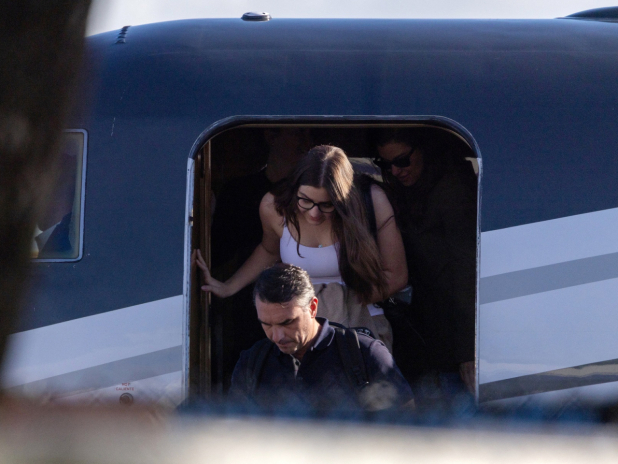
Senator Flavio Bolsonaro declared himself Brazil's rightful leader, alleging an electoral coup by the country's Supreme Court and President Luiz Inacio Lula da Silva, who won the election by over 4 million votes. Bolsonaro left Brazil after refusing to comply with a Supreme Court order to surrender his passports, arriving in Miami with help from Argentine leader Javier Milei and US President Donald Trump. Lula's victory has been widely recognised and is backed by Brazil's federal electoral court, international observers, and Bolsonaro's own party. Trump and Lula have expressed different views on Bolsonaro's claims, while the declaration complicates US relations with Brazil, which is home to significant rare earth reserves. Bolsonaro left Brazil in secrecy following an order from the Supreme Court related to a money-laundering investigation, and has not provided evidence for the alleged electoral fraud. (Reuters)
Bolsonaro based his rejection of the election results on claims of vote suppression and a longer voting extension in Lula's favour, despite also requesting an extension for rain-affected areas. Bolsonaro's stance poses challenges for US-Brazil relations, especially given Lula's accusations of collusion with the Bolsonaro family. Meanwhile, Bolsonaro's family members, including his father former President Jair Bolsonaro, have faced legal challenges and arrests in Brazil, complicating the political landscape. ( Reuters)
The international community, including global leaders and the federal electoral court, have overwhelmingly recognised Lula's victory. Former President Jair Bolsonaro's family, including Flavio, are under scrutiny for various legal issues, further entrenching political tensions in Brazil. Trump has previously alleged that Jair Bolsonaro was a victim of judicial persecution, adding to the complexity of US-Latin American relations. Bolsonaro's declaration raises questions about the future of Brazilian democracy and the role of the judiciary in the country's electoral process. ( Reuters)