
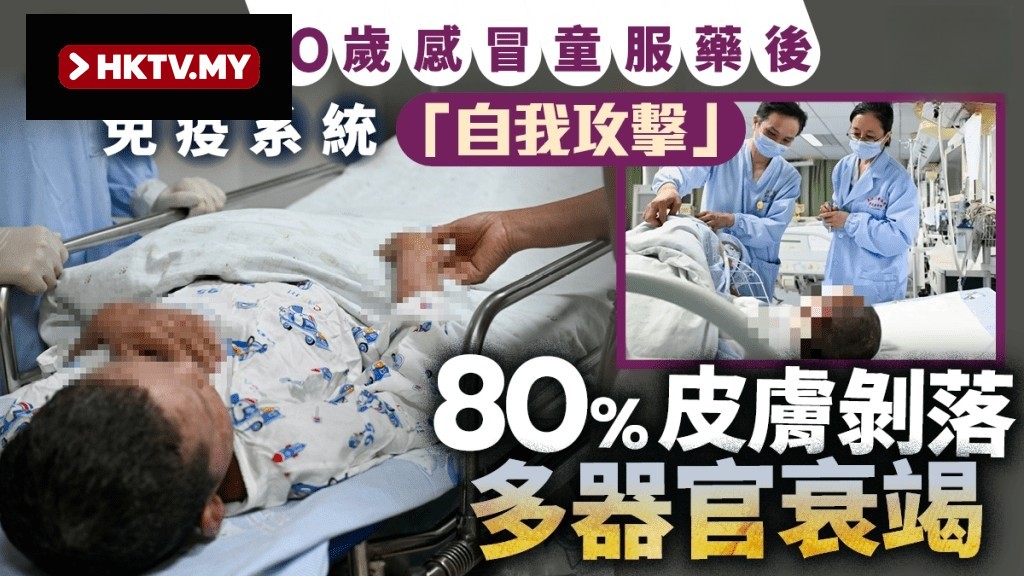
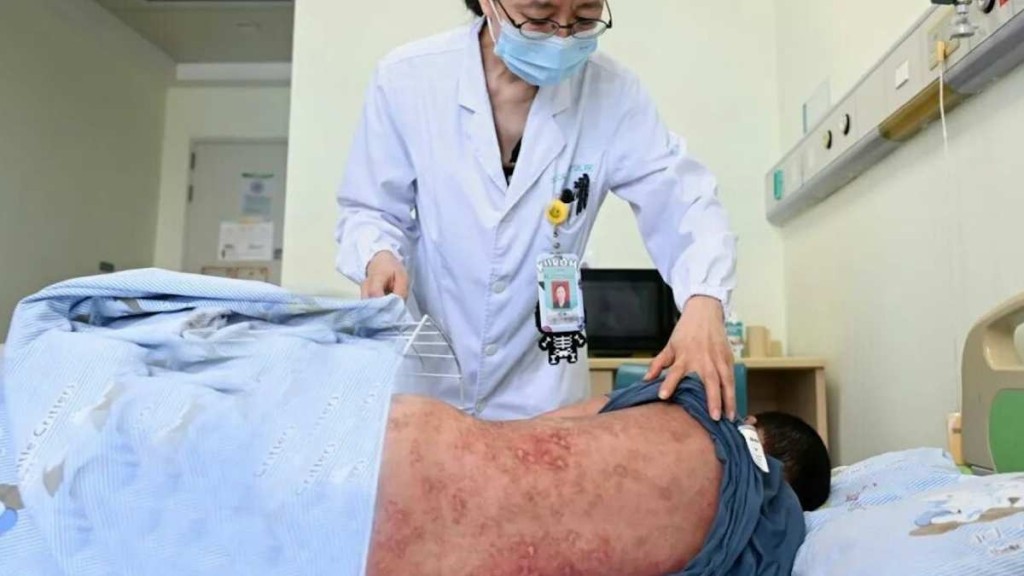
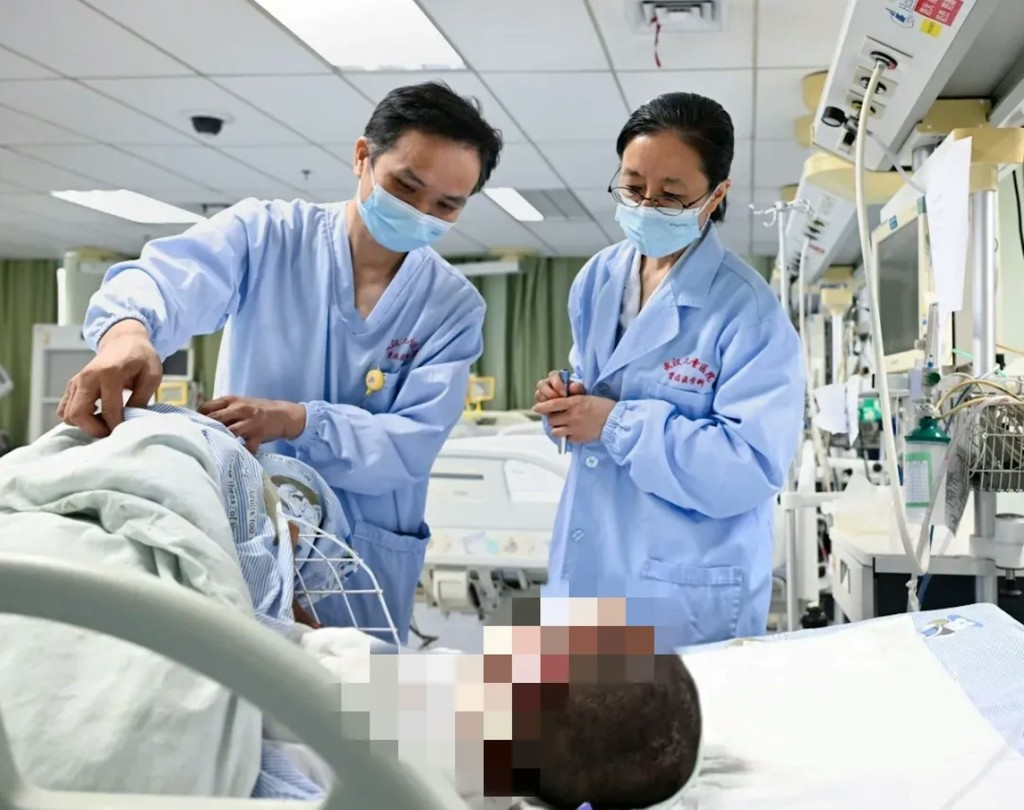
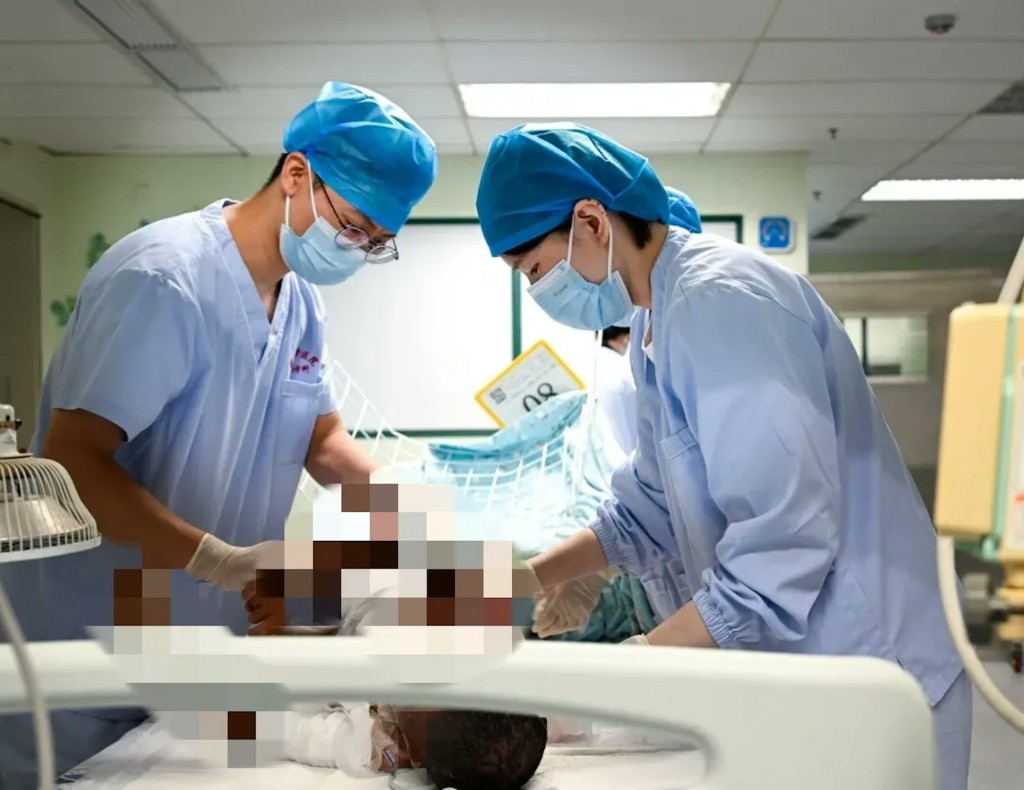
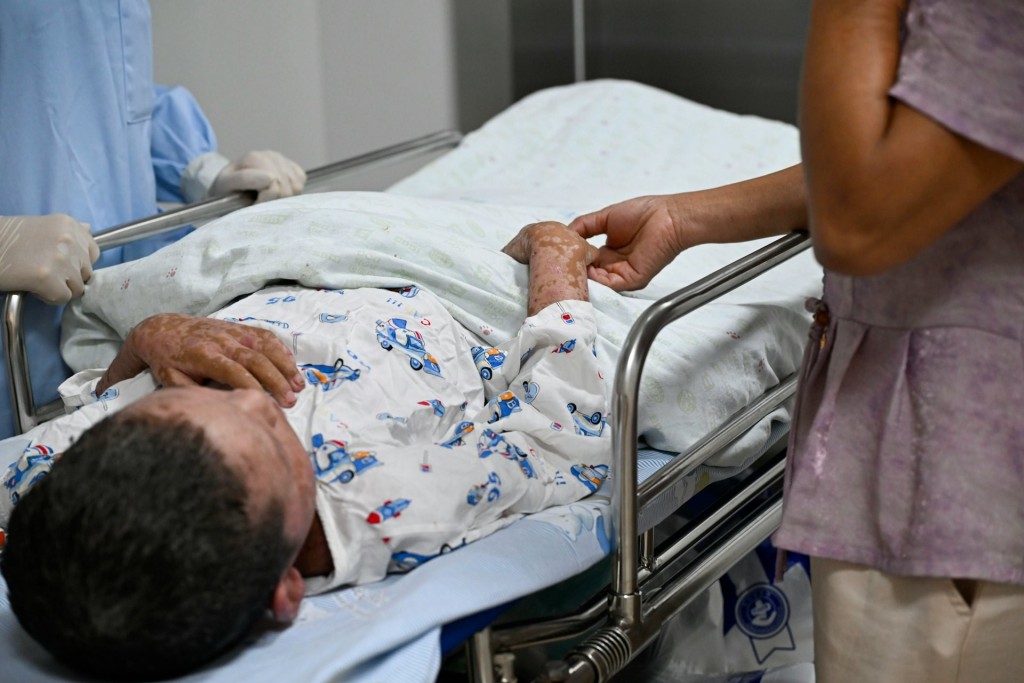
A 10-year-old boy in Wuhan, Hubei, China, developed an uncommon condition called Toxic Epidermal Necrolysis (TEN) after taking medicine for a cold, resulting in severe consequences. Xiao Hui exhibited red, painful eyes in early September and was given cold and anti-inflammatory medications by his grandmother, along with injections at a clinic. However, his condition worsened with red swollen eyes and a rash covering his body. Upon admission to Wuhan Children's Hospital, he was diagnosed with TEN, with a severe condition showing red rashes and over 80% of his skin peeling off, akin to severe burns. His oral mucosa was eroded, leaving him unable to open his eyes and facing the threat of death. Specialists worked to suppress the overactive immune system while maintaining his body's antibacterial defenses. Each dressing change was akin to "peeling an eggshell" as medical staff had to meticulously disinfect, apply medications, and change new bandages. After extensive medical intervention, his condition gradually stabilized, allowing new skin to grow.
Background
Toxic Epidermal Necrolysis (TEN) is an extremely rare and potentially fatal skin disorder typically triggered by medications, infections, or genetic susceptibility. This case highlights the severity of drug allergies, especially among pediatric patients. The medical community emphasizes that children have unique physiological structures and may react differently to medications, making parental caution imperative when administering drugs to children.
Dr. Ding Yin, director of the Rheumatology and Immunology Department at Wuhan Children's Hospital, reminds parents that children have special physiological needs and should not self-medicate or take medications for prolonged periods. If allergic symptoms such as fever or rashes appear shortly after starting medication, immediate medical attention is required. This incident has also raised concerns about reevaluating drug monitoring and consultation protocols to ensure medication safety.