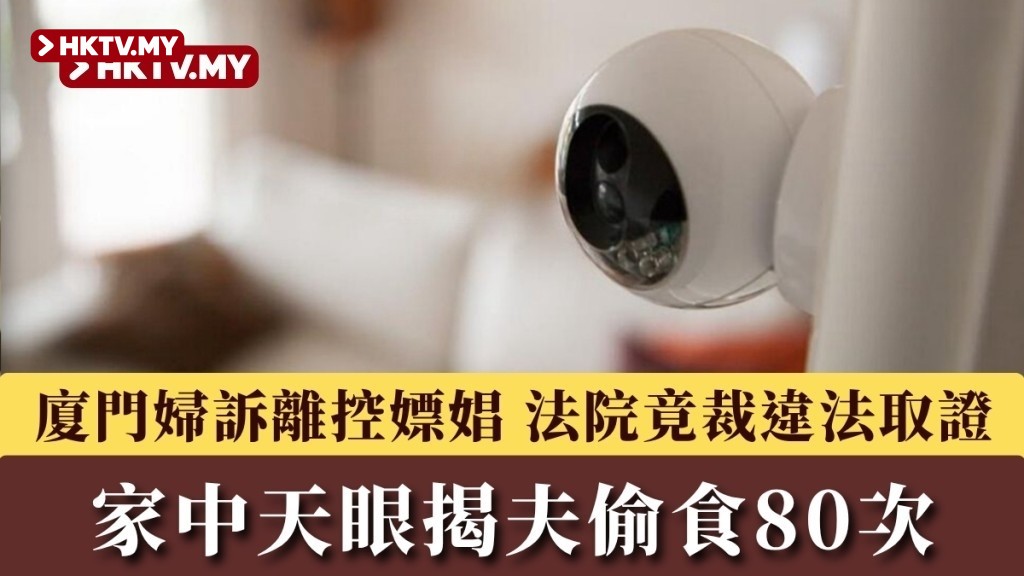
An Australian-residing woman from Xiamen, Fujian recently faced a setback in court after her attempt to use surveillance footage of her husband's嫖娼 activities as grounds for divorce was deemed illegal and unethical.
Case Background
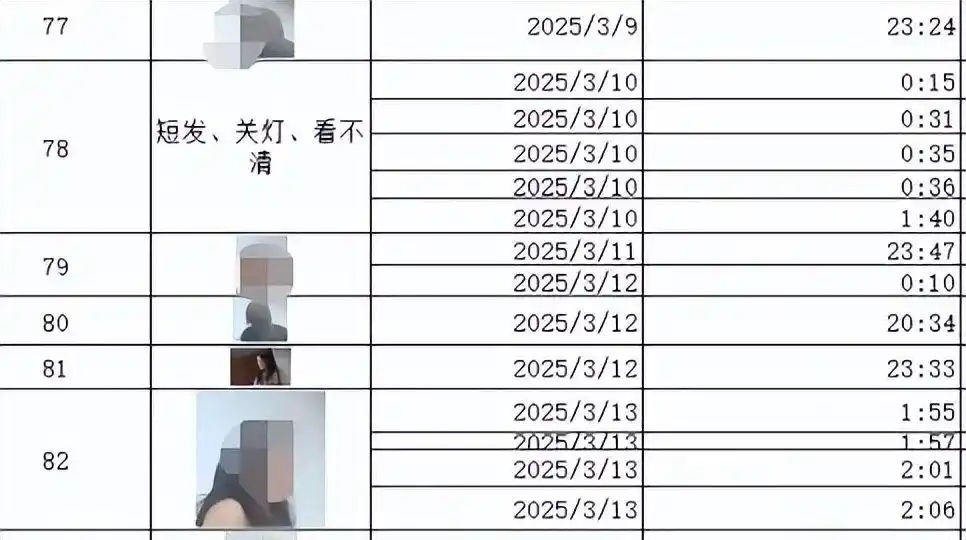
TheChen woman (pseudonym) and her husband, the Liu man (pseudonym), married in 2003 and have two children. They later immigrated to Australia. The couple agreed that the wife would stay in Australia to care for the children, while the husband remained in Xiamen to run his business. In late 2024, the husband suddenly requested a divorce. The Chen woman reviewed the surveillance recordings installed at home and discovered that numerousstrange women had visited his residence over 80 times between December 2024 and March 2025, with some incidents appearing to involve financial transactions or intimate relationships.
Key Controversy
“Even within a marital relationship, private spaces like bedrooms must be protected by privacy rights.”
Court Statement
The Chen woman filed for divorce in August 2025, submitting the surveillance footage as evidence of her husband's嫖娼. The court found that while the couple were married, the woman's installation of cameras in bedrooms constituted deliberate and unlawful surveillance. The court ruled that the evidence collection method was both illegal and socially unacceptable. Although the court granted the divorce and divided assets, it dismissed the evidence presented by the Chen woman. She has since filed an appeal. While the police located several of the involved massage women, the嫖娼 offenses have expired beyond the statute of limitations for administrative penalties, and authorities are now considering appropriate legal procedures.
The case has sparked public debate about the boundaries of marital surveillance. Legal experts note that even in marital conflicts, both parties must adhere to legal standards, and acts such as secret recording can undermine their own legal standing in court.