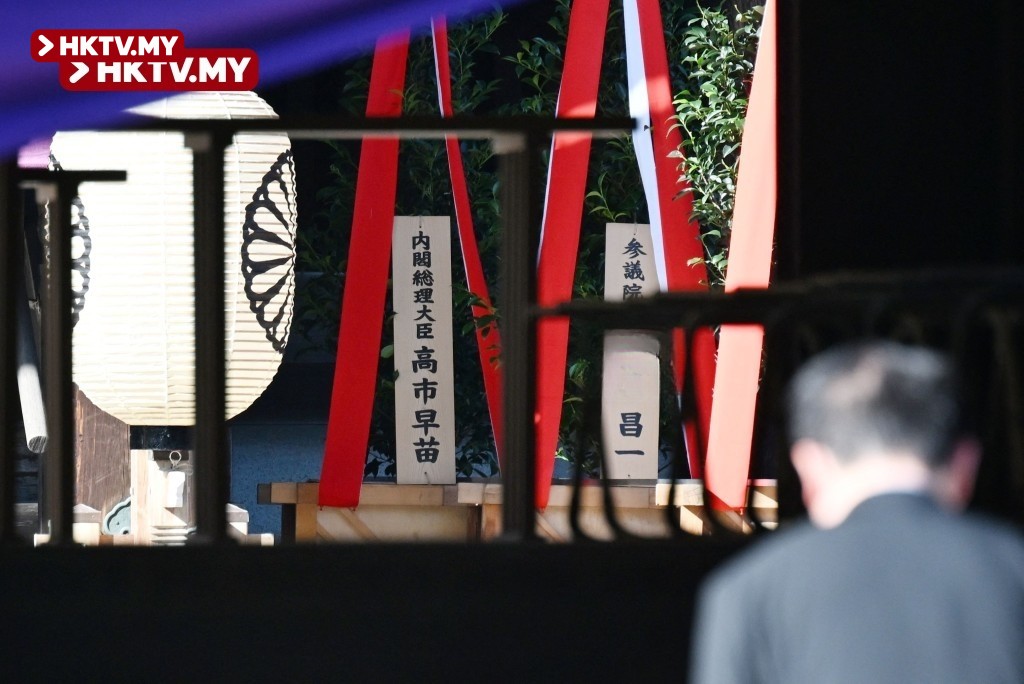
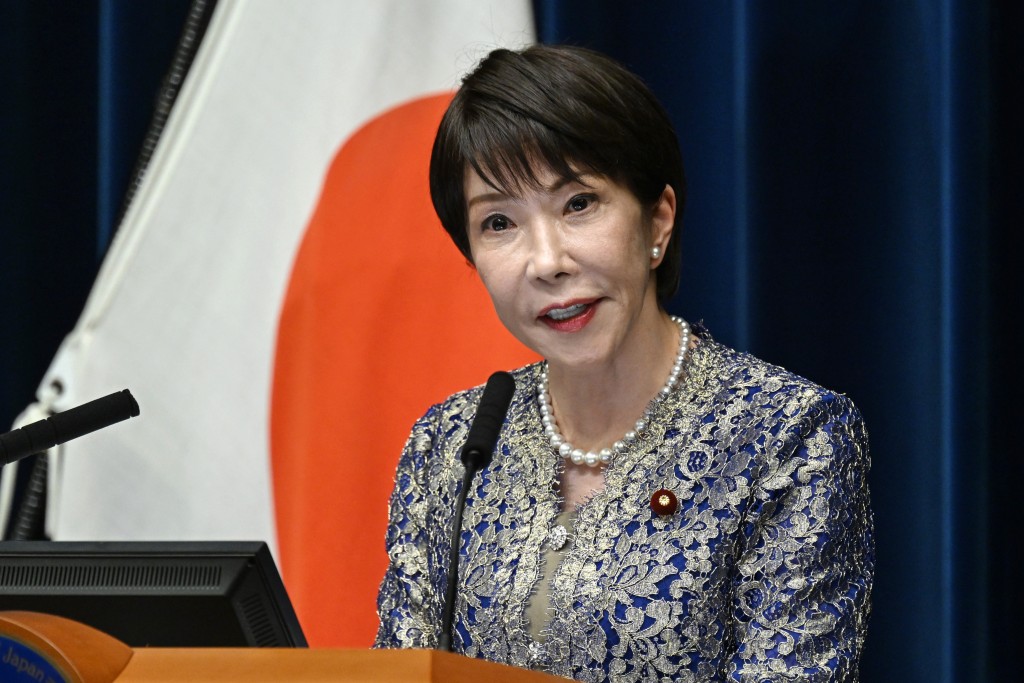
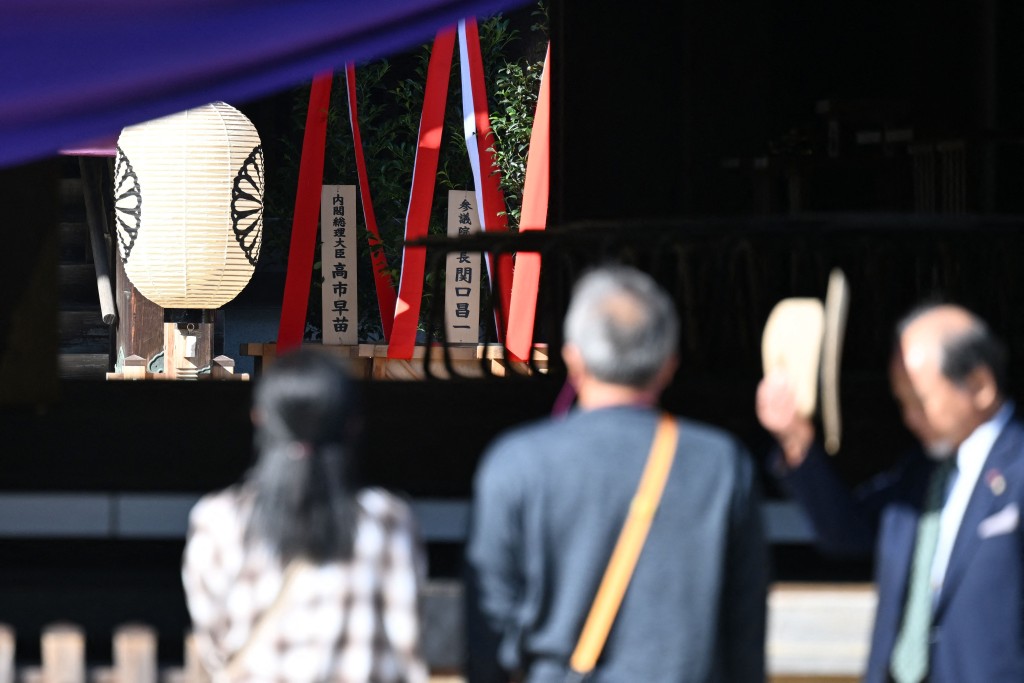
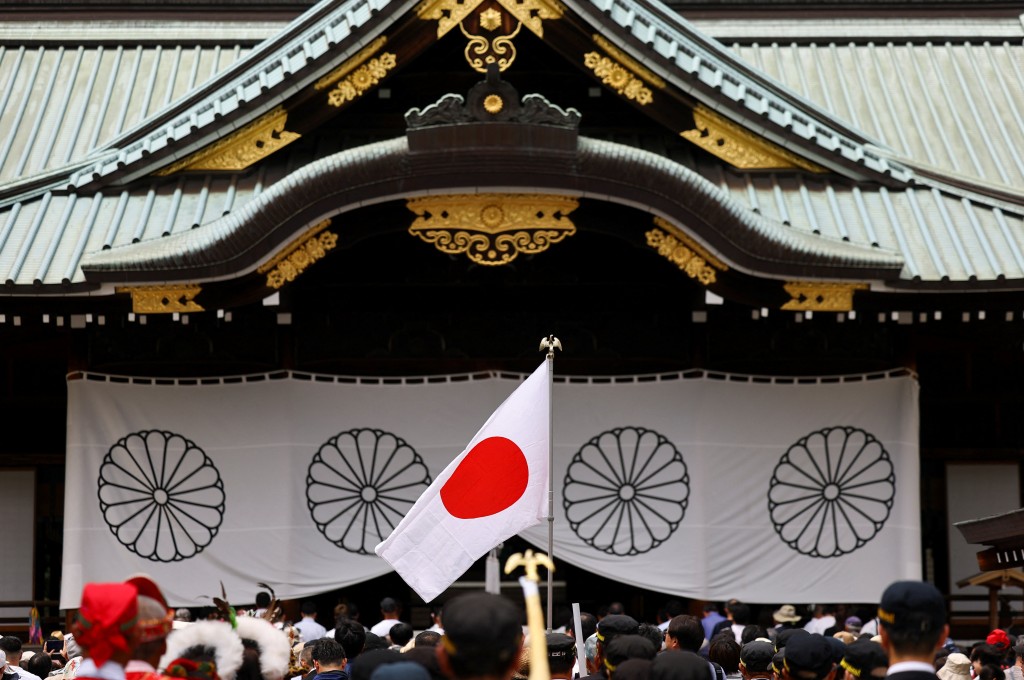
The Yasukuni Shrine in Tokyo held its annual autumn festival from Saturday, with Prime Minister Yasukuni Hamada again serving as cabinet leader by offering a ritual food called "Shinza" without visiting the shrine. This is the first time Hamada has offered sacrifices since becoming Prime Minister last year, as she has never visited the shrine personally. On August 15th, the day commemorating Japan's defeat in World War II, she paid a respectful bow outside the shrine before attending an official memorial ceremony at the Nippon Budokan. The autumn festival continues until Monday, and Hamada's action has drawn criticism from China and South Korea. Other officeholders visiting the shrine included Lower House Speaker Toyama Eiichi, Upper House Speaker Seiko Kotype, Health and Labor Minister Minami Kazuo, and Growth Strategy Minister Mori Shizuo, each offering Shinza.
Political Implications and International Backlash
Hamada had previously visited the shrine annually, including during her tenure as Minister of State, but has not done so since the autumn festival last October. Her current decision to offer sacrifices instead of visiting reflects a potential focus on maintaining diplomatic relations with China and South Korea. The U.S., China, and South Korea have strongly condemned Japan's decision, arguing that it is an insult to the victims of Japan's wartime aggression. Relations between Japan and China have recently cooled due to Japan's stance on "the Taiwan issue," while Japan-South Korea relations have been improving.
According to the Associated Press (AP), Hamada had previously considered visiting the shrine but did not clarify her intentions during a press conference. Several other government officials, including Digital Minister Kawa Shuntaro, National Public Safety Commission Chairman Kashiwabata Kazuo, and Reform Control Minister Nakashima Hiroshi, stated in press conferences that they have no plans to visit the shrine. The French News Agency (AFP) reports that the Yasukuni Shrine is located in Chiyoda, Tokyo, and enshrines 14 Class-A war criminals from World War II, including Hideki Tojo. These individuals are responsible for Japan's aggression during the war, which has led to ongoing controversy over their worship.