Star Headline
Published: 2026-10-16 12:45:00
Food Safety Crisis | Guilin 'Sulfur Osmanthus' Scandal Confirmed by Authorities, Netizens Concerned for Investigator's Safety
A well-known mainland blogger, 'Fish and Hunt Qi Ge', released an investigative video today (16th) exposing illegal sulfur fumigation of osmanthus in Yangshuo County, Beisha Town, Guangxi. The local Food and Drug Safety Committee Office confirmed the reports, stating that sulfur-treated osmanthus has been found, and has initiated emergency tracking of its distribution. Experts warn that sulfur fumigation can leave harmful residues, posing serious health risks.
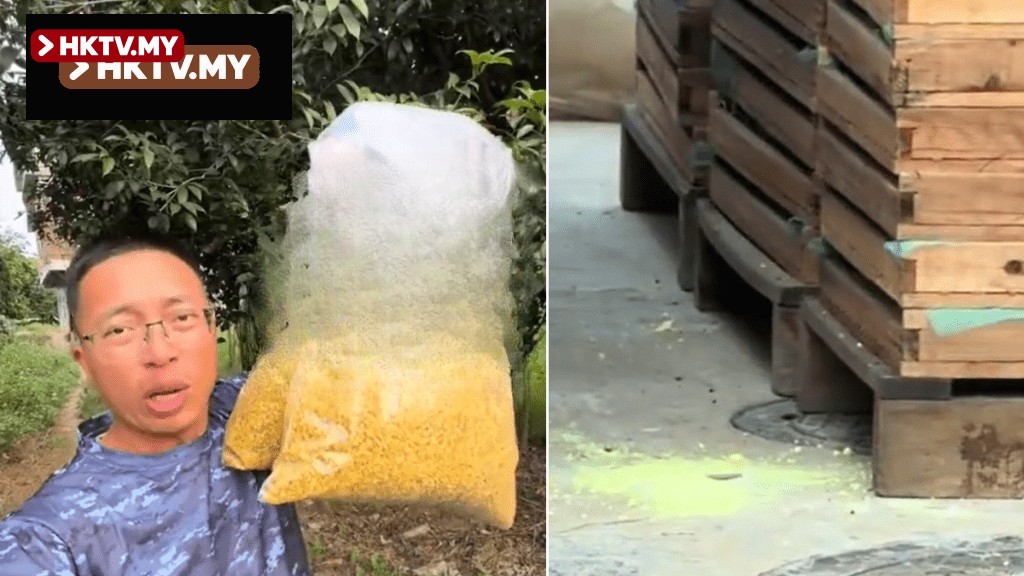
A well-known mainland blogger, 'Fish and Hunt Qi Ge', released an investigative video today (16th) exposing numerous illegal osmanthus processing sites in Beisha Town, Yangshuo County, Guangxi. Local merchants are openly using sulfur fumigation on osmanthus along the roadside. The Yangshuo County Food and Drug Safety Committee Office immediately issued a statement confirming that the reported use of sulfur fumigation on osmanthus is true, and has launched an emergency trace of the affected dried osmanthus products. At the same time, the committee is conducting a comprehensive inspection of all stages of osmanthus procurement, processing, and sales across the county. The implicated merchants have been legally placed under control. According to the blogger's on-site investigation, at least over half of the processing points in the area are involved in sulfur fumigation. These workshops are mostly set up along streets or in warehouses, with only plastic sheeting covering the trays and sulfur bowls placed at the bottom for fumigation. The process is conducted openly without any concealment. The illegal practice is primarily driven by significant price differences. Sulfur-fumigated osmanthus sells for approximately 100 RMB per pound, greatly lower than the over 600 RMB per pound for non-sulfur-treated osmanthus. Additionally, under the same volume, sulfur-fumigated osmanthus weighs nearly double, making it highly profitable for merchants. The incident has sparked widespread public concern, with many netizens expressing无奈 at the phrase 'Chinese people are immune to all poisons', while others angrily criticize regulatory authorities for negligence, questioning 'what's the point of having an entire department if one outsider can do the job?'. Some are even worried, stating 'I really fear something will happen to this guy.' Experts point out that sulfur fumigation can lead to food residues of sulfur dioxide or sulfites, causing multiple health hazards. Sulfur dioxide has strong irritancy, and excessive consumption may cause throat pain and coughing, potentially leading to breathing difficulties, chest tightness, asthma attacks, or even anaphylactic shock for patients with asthma or allergies. The residual substances also directly irritate the oral cavity, esophagus, and gastrointestinal mucosa, causing discomfort symptoms such as nausea, vomiting, and abdominal pain. Long-term and large-scale intake can damage the vitamin B1 content in food, reducing its nutritional value. If merchants use substandard industrial sulfur, it may contain heavy metals such as arsenic and mercury, which could cause severe damage to the liver and kidneys.
Source:
Star Headline ↗