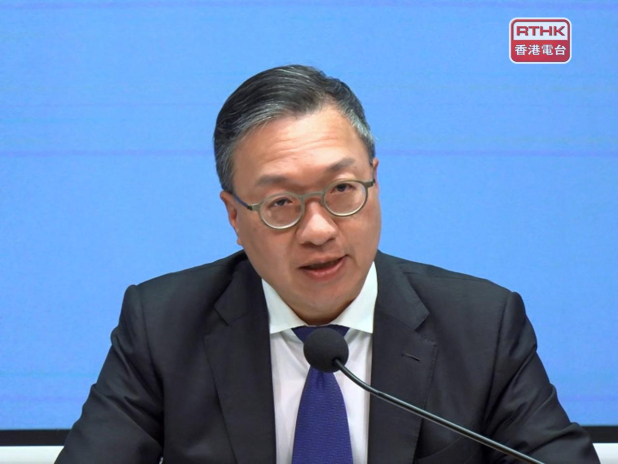
Secretary for Justice Paul Lam announced on Sunday that the government aims to bring about a "revolutionary change" in the building maintenance system in Hong Kong following the tragic Wang Fuk Court inferno. The legislative amendments, planned to be submitted to the Legislative Council this year, include reforms to building maintenance and renovation systems as well as measures to tackle bid-rigging activities. Lam emphasized the need to remove dishonest contractors from the market, stating, "Bad money drives out good" and that only bad actors remained in the market due to the monopolization by unscrupulous entities. Additionally, Authorities plan to assist homeowners in finding suitable contractors and ensuring construction work is conducted safely and lawfully. Secretary for Commerce and Economic Development Algernon Yau pointed out that bid-rigging involves complex issues such as price-fixing and market sharing, and expressed hope that the criminalization of such activities could be passed by April next year.
Lam highlighted the severe problem of dishonest practices in the building maintenance sector, suggesting that genuine professionals were unwilling to participate due to the overwhelming presence of corrupt contractors. The goal is not only to eliminate bad actors but also to encourage highly skilled and honest individuals to re-enter the market. Furthermore, the government intends to play an active role in helping homeowners make informed decisions about contractors and ensuring the safety of construction work. Yau added that criminalizing bid-rigging would not only strengthen legal frameworks but also address systemic issues in the marketplace.
The proposed reforms represent a significant shift in how building maintenance and renovation are managed in Hong Kong, reflecting the government's commitment to improving public safety following the Wang Fuk Court inferno. By targeting dishonest contractors and bid-rigging, authorities hope to rebuild trust in the industry and ensure that only the most ethical and competent players remain. These changes are expected to have a lasting impact on the building maintenance ecosystem, potentially leading to better standards in maintenance and improved living conditions for residents. The upcoming legislative process is crucial in ensuring these goals are achieved.