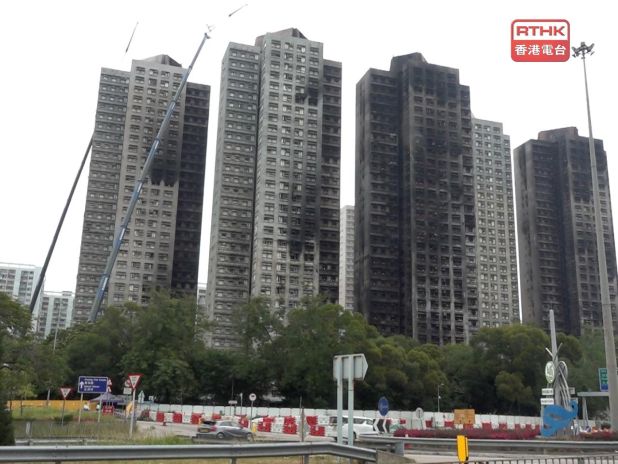
An independent committee examining the Wang Fuk Court fire concluded that government regulators bear significant responsibility for the high death toll, stressing that private-sector misconduct was exacerbated by decades of official failure, regulatory gaps, and lax enforcement. The committee stated that if regulatory bodies had responded properly to residents' complaints and taken a crisis-driven approach to fire hazards at occupied renovation sites, many of the private-sector issues could have been addressed before the disaster. The report identified multiple failures spanning systemic and operational levels, with the Buildings Department and the Independent Checking Unit primarily held responsible for ineffective supervision. Six key failings included over-reliance on building professionals' integrity, inadequate control of temporary materials, poor complaint handling, weak enforcement, and poor coordination between departments. Despite a contract worth over HK$330 million for the external walls of high-rise blocks, the project was categorized as "lower-risk" minor works, a classification criticized by the committee. The committee also highlighted the Fire Services Department's failure to effectively assess and remove fire hazards, noting a lack of inspection and detection during 26 visits. Labour Department officials were criticized for not addressing smoking and foam board hazards despite multiple visits.
The report underscores the necessity for government bodies to adopt a "people-centered" approach in service provision, emphasizing the importance of proactive measures when complaints are raised. It argues that departments should not shirk responsibility and should go above and beyond to address genuine concerns, rather than deflecting or delaying action. The investigation findings also pointed out the potential involvement of unscrupulous or underworld-connected individuals in the industry, underscoring the need for stringent control and supervision of building maintenance and repair works.
The conclusion of the independent committee is clear: government departments must share in the blame for the disaster, with weaknesses in oversight, enforcement, and inter-departmental cooperation bearing heavy weight. This finding could lead to significant policy changes and a reevaluation of how regulatory bodies handle complaints and enforce safety measures in the building maintenance and renovation industry. The committee's report serves as a critical critique of governance and enforcement mechanisms, highlighting the critical role of proactive and collaborative regulation in preventing such tragedies.