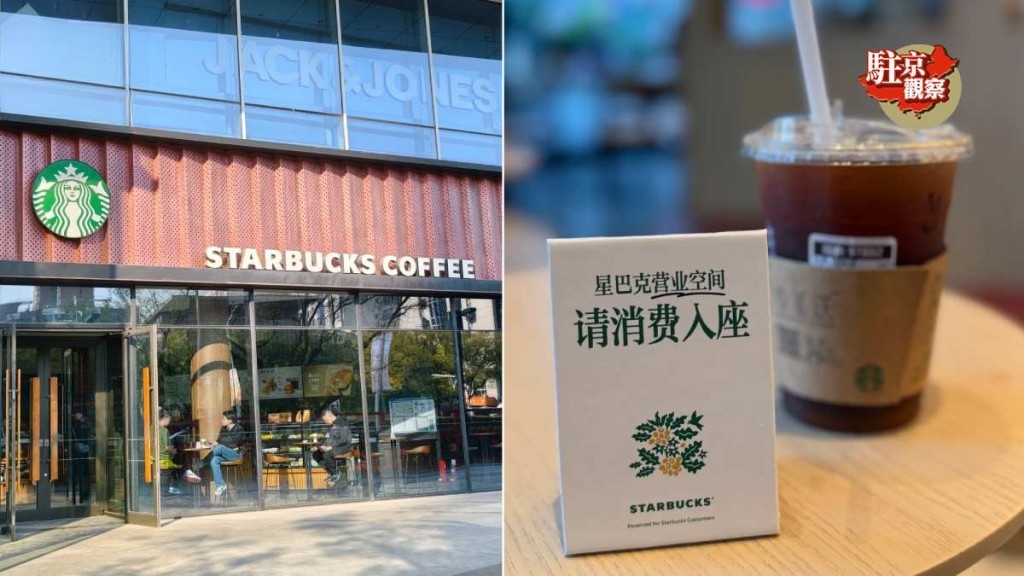
Since February 22, Starbucks in Mainland China has officially ended its free lounge policy, promoting the concept of consumption-based seating. This change, which was initially met with controversy in an environment accustomed to enjoying free usage.
Outbreak of Controversy
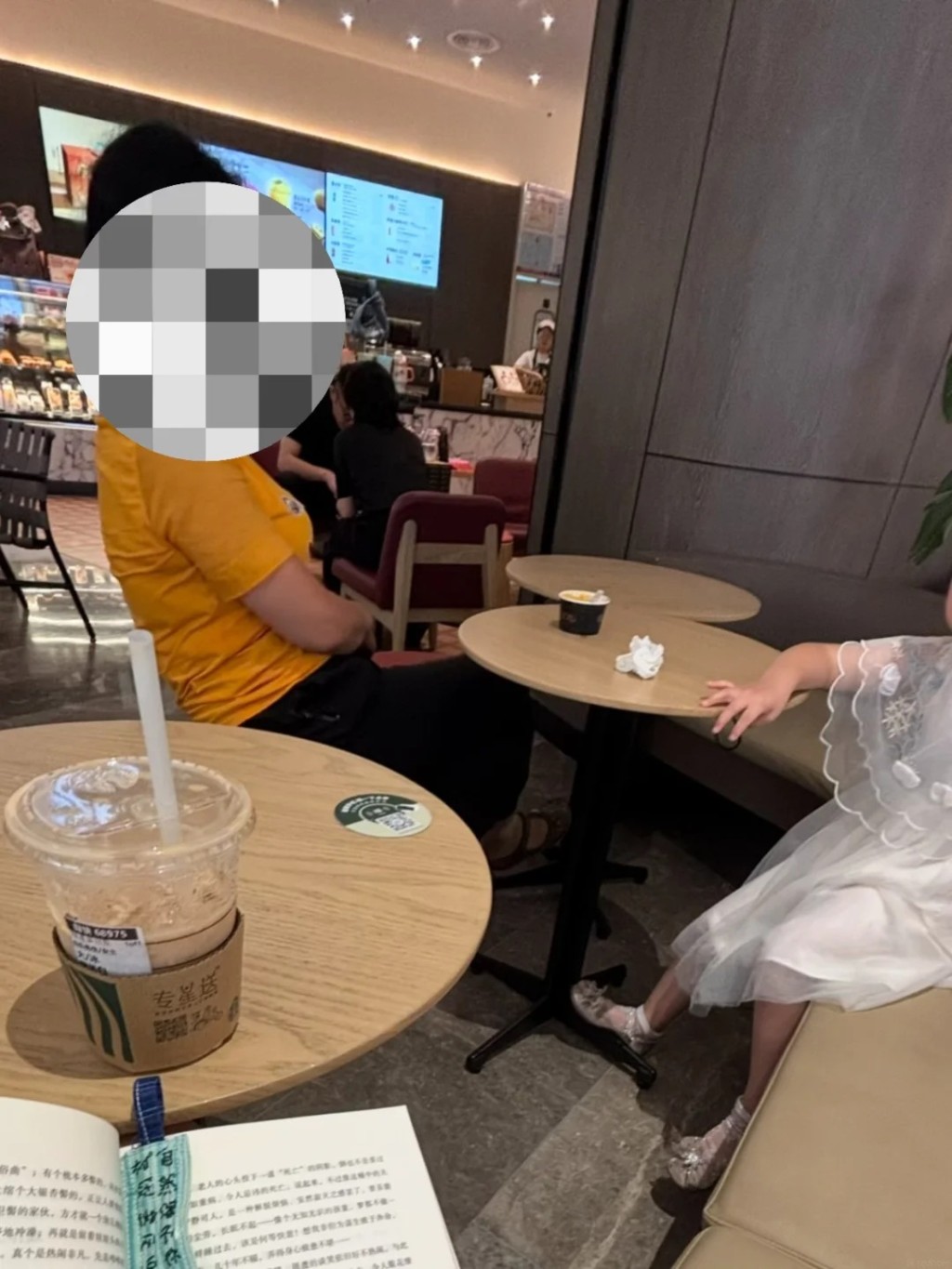
A Shanghai female customer drew attention after being repeatedly reminded to order during a meeting in-store. According to her, on the day in question, there were still ample seats, and she intended to finish an online meeting before ordering. However, she was persistently interrupted by staff, which left her feeling quite disturbed. She stated that while it is understandable for businesses to promote consumption-based seating in order to generate revenue, such frequent prompts can make customers feel unwelcome.
Industry Context and Analysis
Long-term, Starbucks had established itself as a go-to place beyond just coffee, offering an open and inclusive space under the 'third space' concept. However, in recent years, with the rise of competing chains like Luckin and Kuye offering lower prices, Starbucks has faced mounting pressure in the Chinese market. The brand announced plans to invest over 300 million RMB in the coming years to enhance staff during peak hours and upgrade store infrastructure, all aimed at improving customer experience and retaining customers.
However, with a large number of stores, properly implementing this new rule poses a significant challenge to frontline staff in terms of communication skills. This change may generate further discussion in the industry on finding a balance between profitability and customer experience.