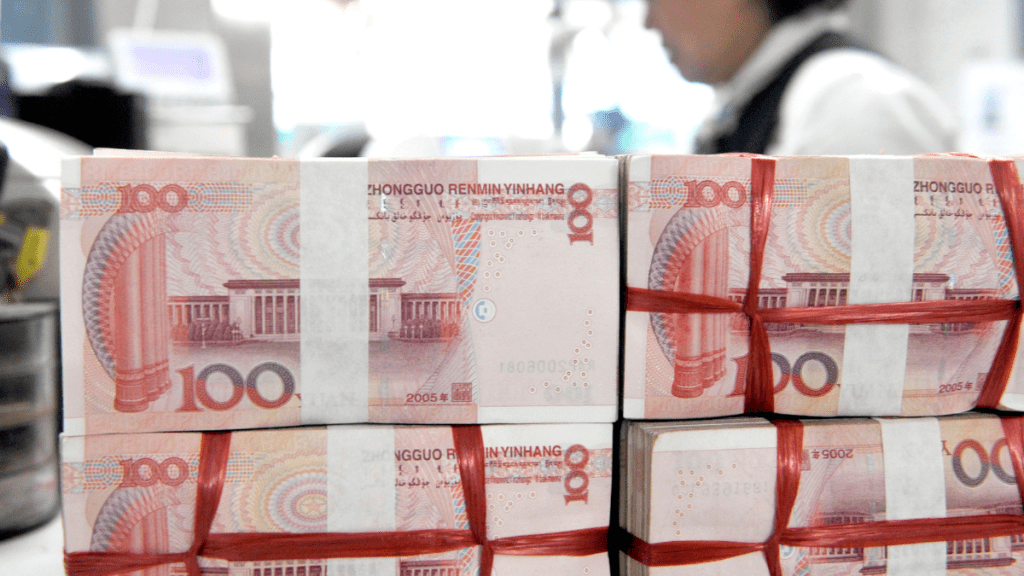
In a case that recently appeared in the legal realm of the PRC, a court has ruled that the phrase "no liability once cash left the counter" on bank signages does not legally absolve individuals of the responsibility to return unintended deposits. In December 2025, Mr. Yan, a man from the mainland, mistakenly deposited 2,500 yuan into his bank account, but the bank staff made an error by inputting this as 25,000 yuan. Upon leaving the bank, Mr. Yan noticed the extraordinary increase in his account balance and proceeded to transfer the sum to his wife without alerting the bank. When the bank discovered the 22,500 yuan discrepancy late that evening, after reviewing surveillance footage, they contacted Mr. Yan seeking the return of the money. However, Mr. Yan argued that since the bank's "no liability once cash left the counter" notice was posted, he had every right to keep the extra money. Disagreements persisted, and ultimately, the bank took the case to court, which ruled that Mr. Yan had taken 'unjust enrichment' and must return the funds. This decision has sparked online debate and criticism, with many questioning the fairness of the legal standards for banks and everyday citizens. Some netizens have expressed frustration, suggesting the signage is akin to "banks can still pursue claims after leaving the counter, but ordinary people cannot," while others have questioned the fairness of the terms, wondering if the situation would be reversed and how citizens would fare if banks made similar errors.
In December 2025, Mr. Yan, a resident of the mainland, inexplicably saw his bank account balance increase by 22,500 yuan after innocently depositing only 2,500 yuan. He transferred the extra amount to his spouse without informing the bank. Upon detecting the irregularity, the bank tried to reclaim the difference but Mr. Yan relied on the counter notice "no liability once cash left the counter" to justify his claim. Following legal proceedings, Mr. Yan was ordered to return the extra funds as an instance of unjust gain. Discussion online has delved into the ethics and practicality of the court's decision, questioning the apparent double standard for businesses and consumers. Many are left wondering what rights they would have in scenarios where the opposite error occurs.
The case of Mr. Yan in December 2025 illustrates the complexities of handling banking errors. When depositing 2,500 yuan, he ended up with 22,500 yuan due to a staff mistake, and subsequently transferred the surplus to his wife. Initially, he argued that "no liability once cash left the counter" absolved him of the duty to return the funds. Post-trial, however, the court ruled that the extra money constituted unjust enrichment and that the counter notice lacked legal enforceability. This ruling has ignited controversy, challenging the preconceived notions of liability and responsibility in financial transactions.