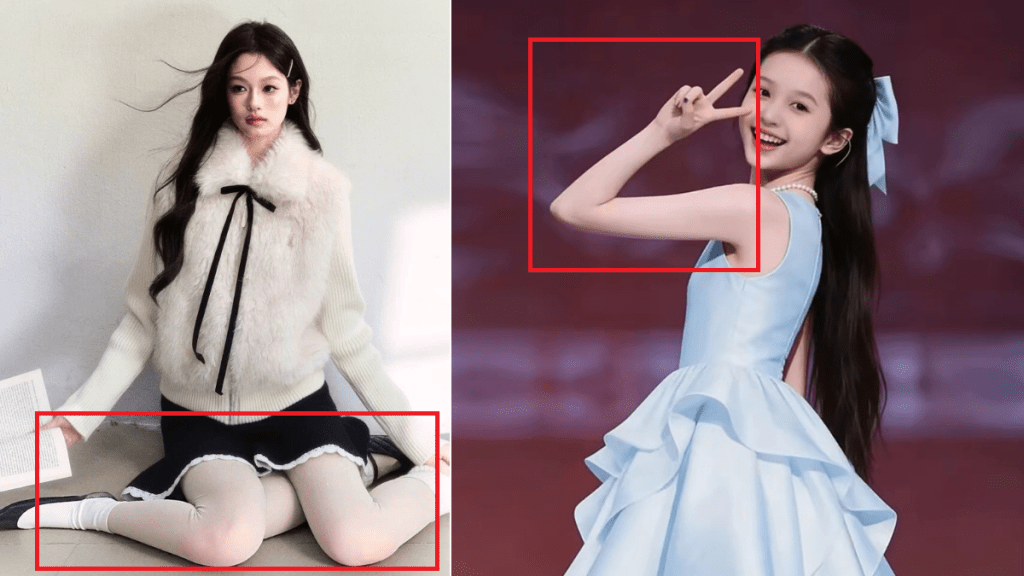
For Double Eleven, AI models have taken over online shopping platforms in China, exposing unexpected images on e-commerce sites like doubleleg models and limb anomalies. These AI-generated images, often unmarked as such, are far cheaper than actual photographed models, with sellers touting prices as low as just 6 RMB per image, less than a quarter the cost of a real shoot. This phenomenon has escalated into a recognized industry, with various tutorials and toolkits available online for AI model creation, underscoring its growing industrial scale.
Many buyers have expressed confusion, questioning the practical use of AI images when judging clothing fit and quality. A veteran photographer commented, "While heavily retouched images typically present a certain representation, AI-generated images lack any real sense of texture and material, making it hard to tell if you're being sold to a robot." The proliferation of AI-generated images has prompted several e-commerce platforms to issue warnings and guidelines. In March last year, Taobao began cracking down on AI-generated images designed to mislead consumers, while Pinduoduo announced stricter policies in August to regulate and penalize the use of AI-generated images.
Legal expert Fang Chenglou from Beijing Yinko (Hangzhou) Law Firm noted that if the discrepancies between the display and actual physical items are significant and clearly beyond the boundaries of reasonable enhancement, along with false claims or concealment of AI usage by sellers, it can be considered as consumer fraud. Both merchants and platforms have a responsibility to disclose the use of AI-generated images and to flag the possibility of such content. The widespread use of AI models raises serious questions about the integrity of product representation in online retail.