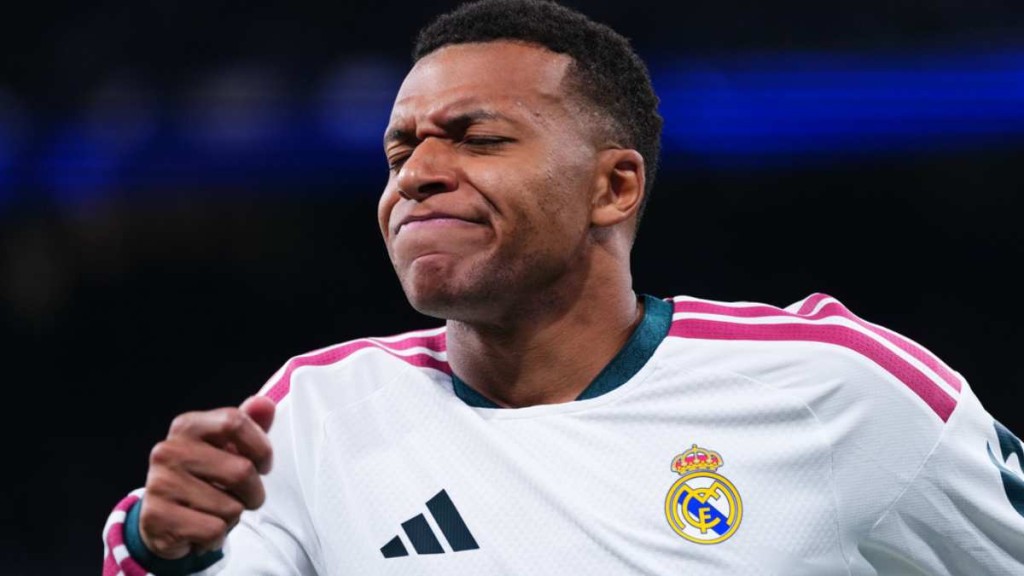
Kylian Mbappé, the French football star, became embroiled in a controversy after posting a meme incorporating Chairman Mao Zedong's portrait on social media. Multiple Chinese brands, including Mengniu, Dongpeng Beverage, Supwal, and Mengke Blue Sea Milkground, subsequently terminated their endorsement deals with Mbappé. China Central Television also stopped broadcasting games featuring Mbappé. According to an analysis by an industry analyst based in Shanghai, reported by Caixiu Network citing The Financial Times, Mbappé's earnings from the Chinese market account for 38% of his total commercial income, amounting to nearly 22 million euros annually. This incident is described as a "classic error for a top sports star touching market-specific red lines." The controversy has led to a significant loss for Mbappé, who has rapidly issued a multilingual apology, but it has not mollified public sentiment in China. Prior to the incident, Mbappé's team had heavily focused on expanding its presence in the Chinese market, even adjusting its social media posting schedule and increasing interactions with Chinese fans. However, the incident now represents a substantial loss of nearly 40% of his stable commercial revenue.
Mbappé's case highlights the risks associated with navigating cultural sensitivities in international markets. This event underscores the need for global athletes and celebrities to be extraordinarily cautious in their online interactions, especially when engaging with markets with rich political and historical contexts. The response from Chinese brands and media signals a stringent adherence to national interests and public sentiment in China, potentially serving as a warning for other international athletes and celebrities planning to engage with the Chinese market.