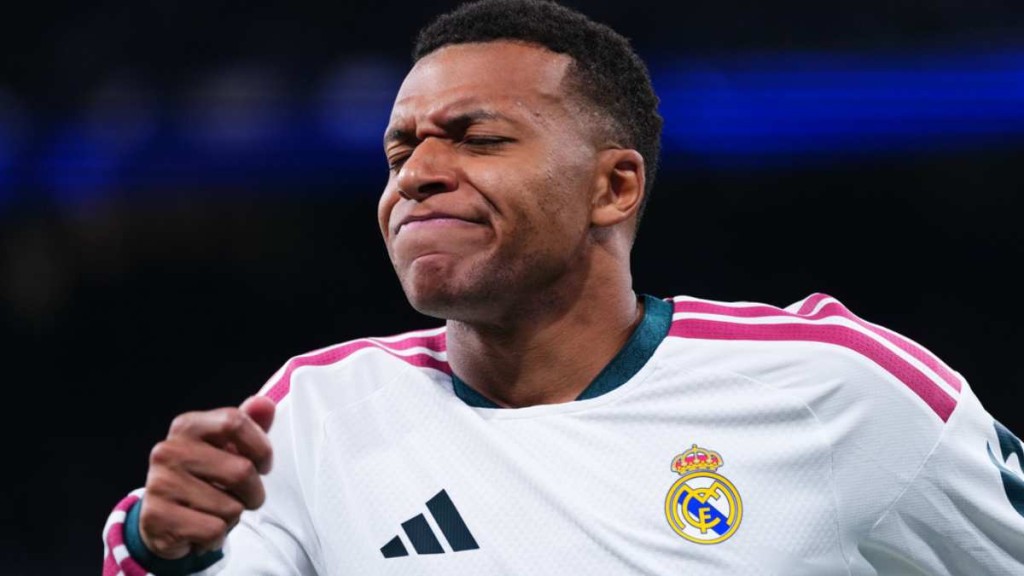
French soccer star Kylian Mbappé faced backlash after using a meme featuring Chairman Mao Zedong's portrait, leading multiple Chinese brands to halt their sponsorship deals with him. CCTV also ceased broadcasting matches involving the player. Chinese brands including Mengniu, Dongpeng Beverage, Chuilaala, and Milkground issued statements to terminate their endorsement agreements. According to reports, Mbappé's commercial income from the Chinese market represents 38% of his total earnings, amounting to nearly 22 million euros annually. The incident, described by a Shanghai-based sports commercial analyst as a "top-tier athlete's typical misstep when entering regional markets," highlights the potential costs of overlooking local sensibilities. Mbappé quickly issued a three-language apology, but it did not mitigate the outrage. His recent gaffe has resulted in a significant loss of nearly 40% of his stable commercial revenue.
The scandal has sparked discussions about the complexities of navigating international markets, particularly in Asia. Sportswear brands and athletes often tailor their strategies to cater to local tastes and cultural sensitivities. However, this incident underscores the possibility of significant financial repercussions if such efforts fall short. Analysts suggest that while Mbappé's team previously viewed China as a key market for expansion, this episode may have dampened enthusiasm among Chinese consumers, particularly given the sensitive nature of cultural symbols and figures.