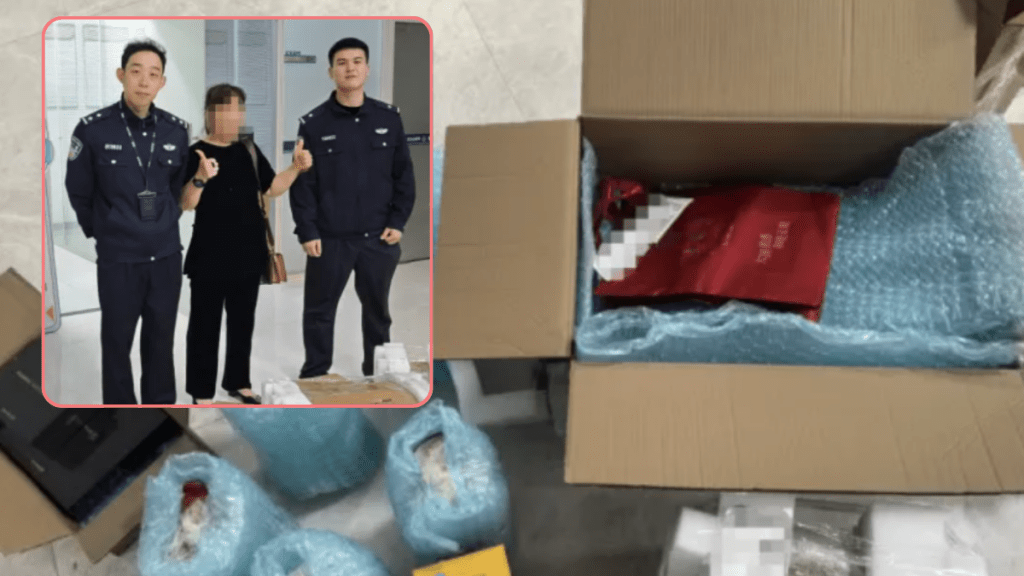
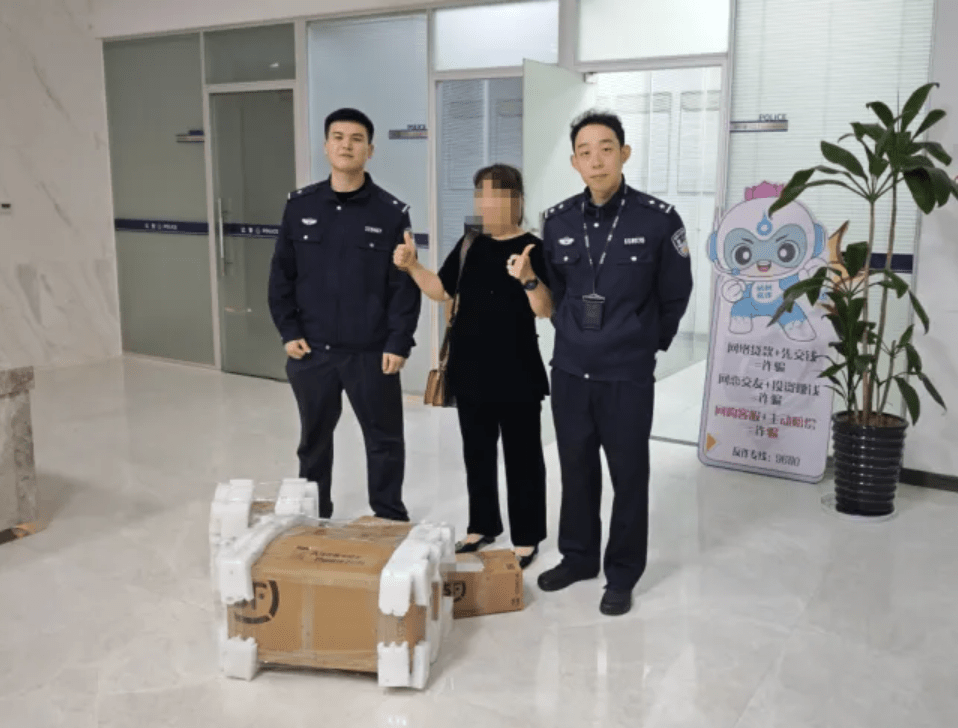
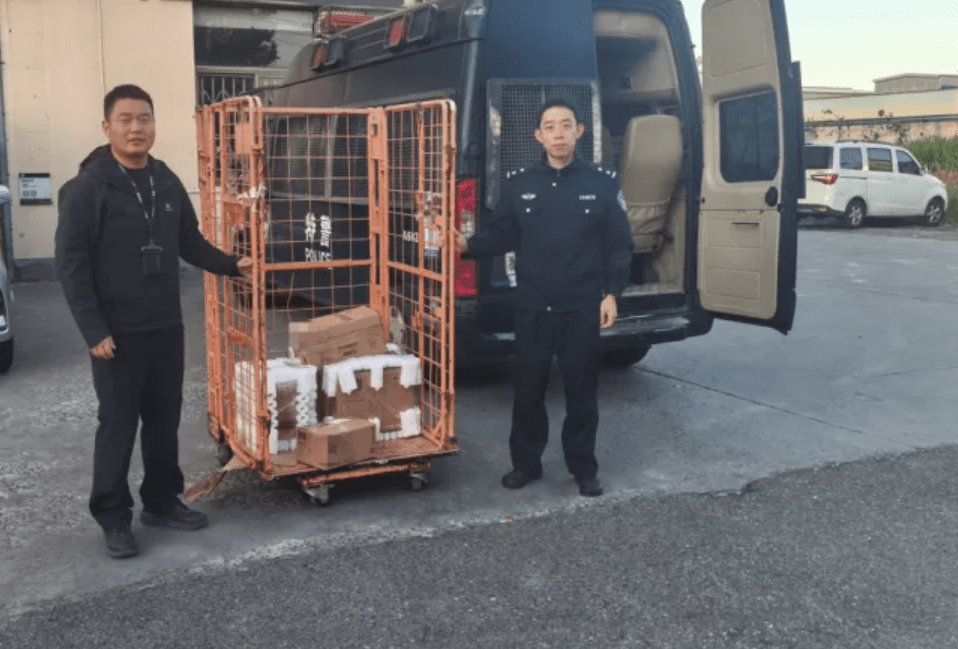
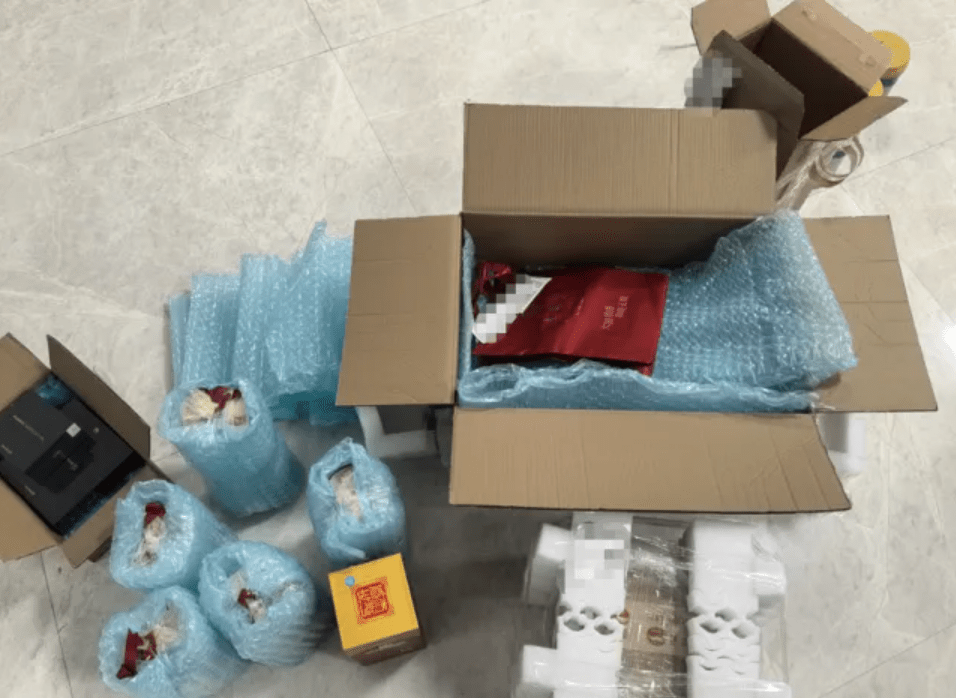
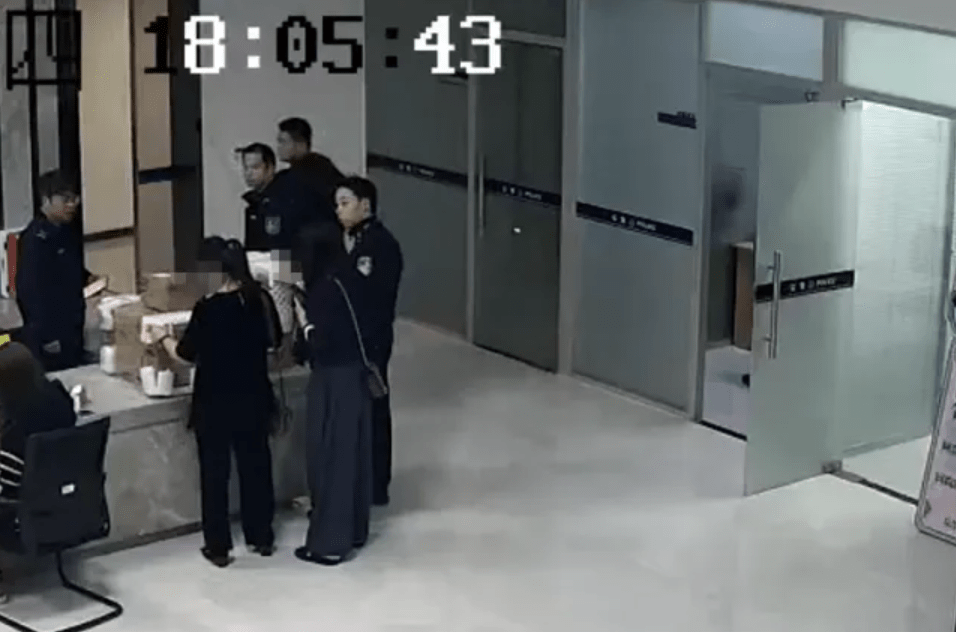
In a recent case of social media fraud, a candidate named Wang from Hangzhou was tricked into revealing personal information during a video interview for a job. Notably, the interviewers asked her to enable screen sharing, which allowed them to manage her smartphone remotely, ultimately leading to a theft of over 40,000 RMB from her online food delivery account. Wang reported the incident to the Binhang District Public Security Bureau's High-tech Sub-bureau, and just three hours later, the stolen goods including 6 bottles of Maotai wine, 5 bottles of Wuliangye wine, 1 bottle of Jiannanchun, 1 Huawei phone, 1 Huawei watch, and 6 cans of infant formula were recovered and returned to her. The case has sparked significant online discussion, with many netizens calling for the police to disclose the modus operandi to prevent similar incidents. During the video interview, Wang followed the interviewers' instructions and unknowingly enabled screen sharing. Subsequently, the interviewers tricked her into "restoring the factory settings" of her phone, likely to remove any traceable data. Before she could terminate the call, numerous deduction and payment success notifications appeared on her phone. The fraudsters had allegedly used her identity information and the screen sharing function to place orders for high-value items on an online food delivery platform. The police were able to track down the orders and intercept the packages, ensuring that most of her losses were recovered. This incident has raised concerns about potential security vulnerabilities in online food delivery platforms and payment systems. Many users are questioning how remote control of smartphones and online payment processes were executed—and whether such practices indicate serious security flaws in certain platforms. Netizens are also urging the police to investigate further and publish the detailed methods used by the fraudsters to prevent similar incidents from occurring in the future.