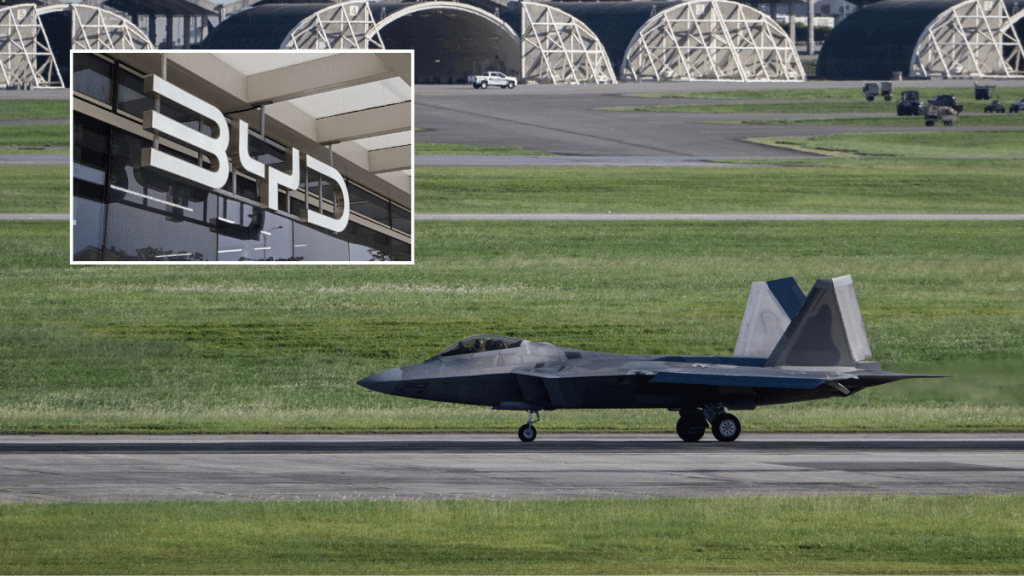
Japan's United States military base of Kadena on Okinawa announced on Monday (26th) that it will bar all vehicles manufactured by Chinese auto manufacturer BYD from entering the base. U.S. military officials claim that the cameras and sensors in electric vehicles could collect and leak sensitive information about the base, posing an "unacceptable and irreducible" risk to military personnel and missions. Yonhap News cited U.S. sources suggesting that a similar ban might be extended to U.S. military bases in South Korea. A spokesperson for U.S. Forces in Japan, John Severns, stated that base commanders have the responsibility to protect personnel, facilities, and operations, and can implement security measures based on risk assessments to mitigate potential threats. In June of this year, the U.S. Department of Defense added BYD and more than a hundred other Chinese tech and manufacturing companies to a "Chinese Military Enterprises" list, citing their alleged ties to the People's Liberation Army. The Chinese Ministry of Commerce and Ministry of Foreign Affairs responded with strong protests, accusing the U.S. of overgeneralizing national security concerns and improperly targeting Chinese enterprises, demanding an immediate correction of the U.S. actions. In September, the Dutch Intelligence and Security Agency issued a safety advisory warning that technologies such as GPS systems, microphones, cameras, entertainment systems, and Bluetooth connections in connected cars could be utilized for spying or remote control by other nations. The Kadena base in Okinawa, Japan, is the largest U.S. Air Force base in the Far East, playing a crucial role in the U.S. strategic pivot in the Western Pacific and the first island chain in countering geopolitical threats. It houses the 18th Airborne Squadron and hosts the Tomahawk cruise missile-fitted Tarantula system.
Star Headline
Published: 2026-10-27 09:34:51
U.S. Marine Corps Base in Okinawa Bans BYD Vehicles Over Spy Concerns
The U.S. Marine Corps base in Okinawa, Japan, has banned all BYD vehicles from entering its premises. US forces claim that the cameras and sensors in electric vehicles could collect sensitive information from the base, posing an “unacceptable and unremitting” risk to personnel and missions. Similar bans may extend to South Korean bases in the future.
Source:
Star Headline ↗