Saudi Arabia, Türkiye, and Pakistan Official Meetings with Iran Assess Middle East Situation
Increased Tensions
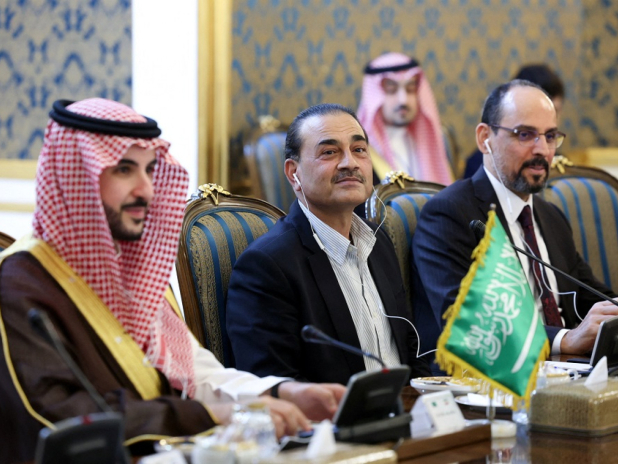
Senior officials from Saudi Arabia, Türkiye, and Pakistan conducted talks with Iran on Monday to prevent renewed conflict in the Middle East, with Iran describing the discussions as "very good." These officials, including Saudi Defence Minister Prince Khalid bin Salman, flew to Iran as part of efforts to de-escalate the current crisis and followed warnings from the United States, Iran, and Israel about potential hostilities. This was the first joint visit by the three nations since they formed a defence alliance in Mecca in August. The delegations met with Iranian President Massoud Pezeshkian and Foreign Minister Abbas Araghchi, who noted that while the meeting did not produce concrete announcements, the parties agreed to continue discussions. Iran's security chief Mohsen Rezaei highlighted that the talks emphasized the need for regional security to be achieved by countries themselves, avoiding foreign intervention. Security remains a critical issue, especially ahead of upcoming elections in Israel and the United States.
The discussions in Tehran followed a pattern of increased tensions in the region, as the talks come amid heightened concern over potential military attacks, particularly involving Iran and its allies. The alliance between Saudi Arabia, Türkiye, and Pakistan, despite its fresh and high-profile nature, faces significant challenges in mitigating regional conflicts given the complex mix of political and military dynamics at play. As the situation remains volatile, the success of ongoing diplomatic efforts will be crucial in preventing a broader regional war. The backdrop to these talks involves multiple layers of geopolitical factors. The upcoming Israeli elections and US midterm elections add another layer of complexity, as any military actions could significantly impact domestic political landscapes. Additionally, the ongoing attacks on Saudi targets by Iran-backed Houthis, and the threat these pose, have strained regional stability. Qatar, known for its neutral stance, has taken on a key role in mediating between Iran and other regional powers, highlighting the nuances and challenges in international diplomacy. The outcome of these talks, therefore, could have far-reaching implications for not only the Middle East but also global geopolitics.