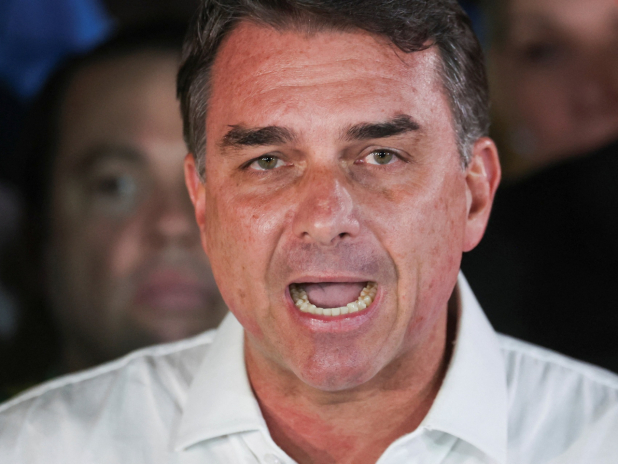
US President Donald Trump expressed outrage over what he perceived as a rigged election in Brazil after leftist incumbent Luiz Inacio Lula da Silva's surprising win in the presidential vote. Although the Liberal Party of defeated right-winger Flavio Bolsonaro eventually acknowledged the result, Bolsonaro has refused to concede, seeking the annulment of Lula's victory following the Supreme Court's decision to extend voting by two hours. Trump declined to endorse Bolsonaro, but called the election "another rigged one," citing the unusual voting extension as evidence of irregularities. The result is a stark departure from polls and global predictions that favored Bolsonaro. Brazil's real currency plummeted and the stock market recorded its worst decline in years, signaling significant investor concerns about the shift from the right to the left.
Flavio Bolsonaro's Liberal Party's acknowledgment of the result came despite their earlier refusal to concede, showing the tightness of the election and the challenge Lula faces in maintaining democratic legitimacy. Analysts suggest that Flavio Bolsonaro's ability to replicate his father's far-right movement is limited. Meanwhile, international leaders and investors react with caution to Lula's victory, acknowledging the unprecedented nature of his political comeback. Lula's unexpected triumph marks a notable exception to the trend of right-wing victories across Latin America in recent elections. His campaign's success hinged on higher voter turnout and a better-performing social media strategy.
The political ramifications extend beyond Brazil's borders, with investors expecting clearer fiscal commitments from Lula's administration. The unexpected result underscores the volatility in Latin America's political landscape and the potential for shifts in economic and social policies. Meanwhile, the case raises questions about the future of electoral integrity in Brazil and the role of external forces in shaping its political direction.