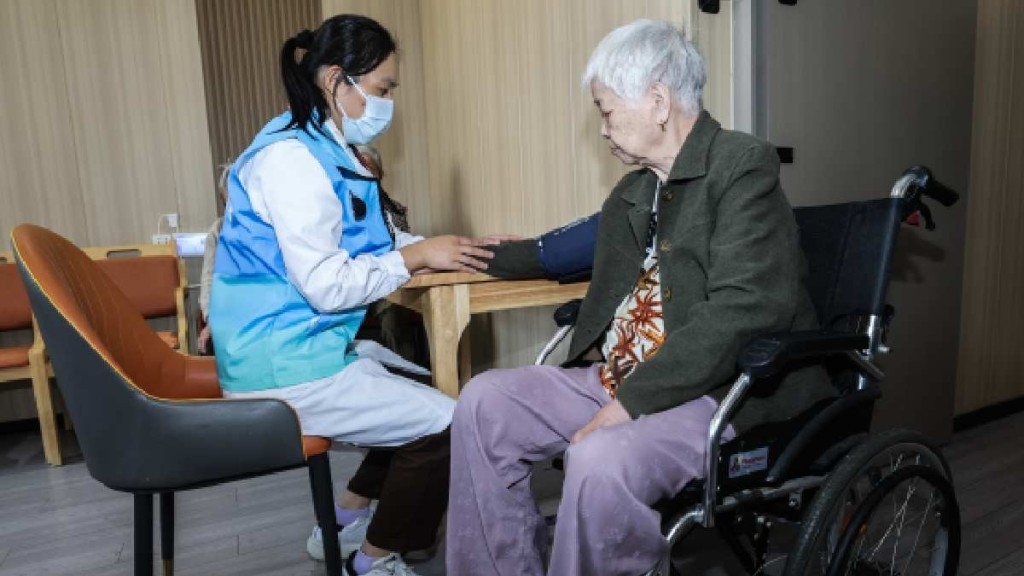
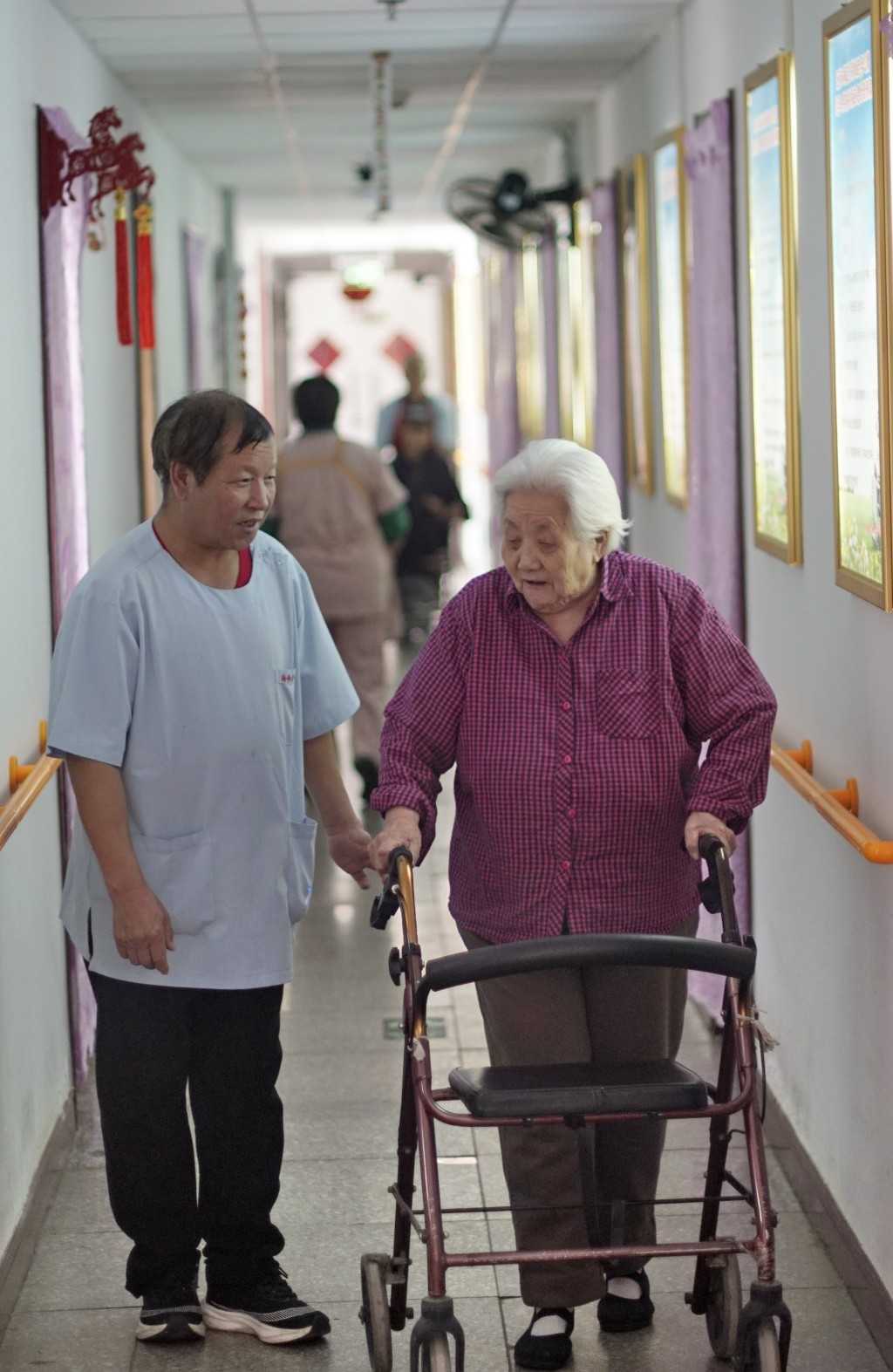
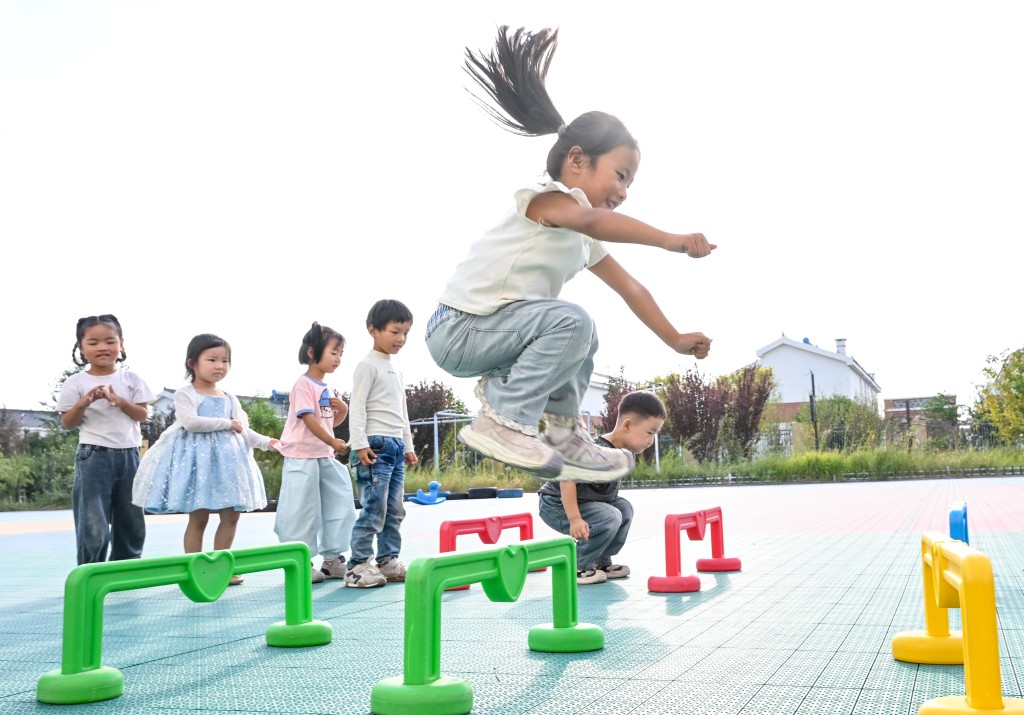
China's social burden is shifting from "nurturing children" to "nurturing the elderly" due to the dual pressures of aging and declining birth rates. According to the latest official data, the elderly dependency ratio (23.1%) surpassed the child dependency ratio (22%) for the first time last year, indicating that for every 100 working-age individuals, there are now 23.1 seniors and 22 children. Simultaneously, the average family size in China has shrunk to 2.52 people per household, down from 3.08 in 2010. The Ministry of Civil Affairs head, Li Changguan, wrote in an article that these changes in family structures have weakened intergenerational support systems traditionally based on family, posing challenges to relying on family for risk prevention and mitigation. In 2025, the national statistical yearbook showed that China had 212.76 million children aged 0 to 14, constituting 15.1% of the total population, while 223.65 million people aged 65 and above made up 15.9% of the population. Calculations revealed that the overall dependency ratio was 45.1%, with child dependency at 22% and elderly dependency at 23.1%. This marked the first time the elderly dependency ratio surpassed the child dependency ratio. The child dependency ratio refers to the proportion of children aged 0 to 14 to those aged 15 to 64 (working-age population), while the elderly dependency ratio measures the proportion of those aged 65 and over to the working-age population. These ratios are key indicators of a country's or region's demographic burden. When both ratios are low, it indicates a period of abundant labor supply, low rearing burdens, and high savings rates. China has seen a steady rise in its elderly dependency ratio from 15% in 2016 to a peak of 20.8% in 2021, and further to 22.8% in 2024, when the child dependency ratio was at 23%. Li Changguan also noted that the average family size has decreased by 0.58 people to 2.52 since 2010 and by 0.92 since 2000. As a result, the aging process will continue to intensify, posing complex and challenging tasks to address population aging. Family structures are getting smaller, reducing intergenerational support for elderly care and child-rearing, which in turn presents new challenges to relying heavily on family for risk management.