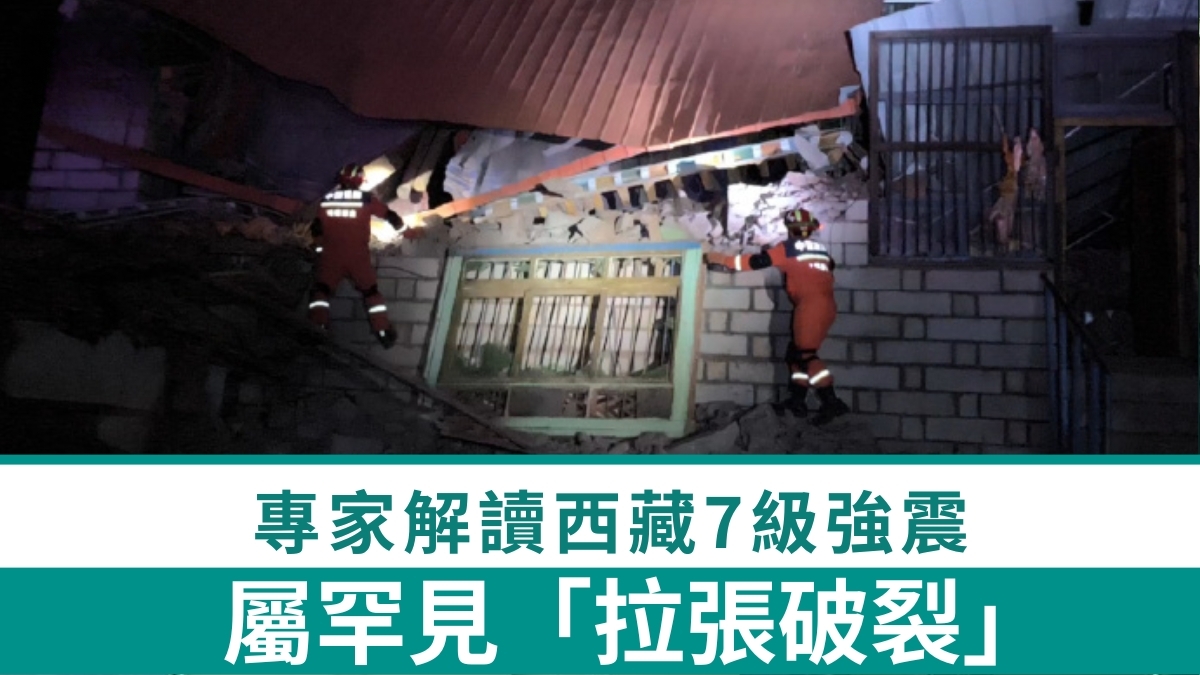
Last night, a 7.0 magnitude shallow earthquake struck Bacheng County, Nangqu City, Tibet, causing significant casualties. Experts from China Earthquake Networks Center (CENC) analyzed the quake as a typical shallow earthquake with a shallow hypocenter of only 10 kilometers, located within the Qiangtang block, and only 2 kilometers from the closest fault. The earthquake, triggered by the collision and compression of tectonic plates, is a 'tensile rupture.' Experts predict a risk of further 5.0 or higher magnitude aftershocks in the next few days, cautioning rescue teams and local residents to be vigilant.
Star Headline
Published: 2026-10-23 15:50:07
Tibetan Earthquake Analysis by Experts: Rare 'Tensile Rupture' 7.0 Magnitudequake, Risk of Further Quakes Still Looms
Last night, a 7.0 magnitude shallow earthquake struck Bacheng County, Nangqu City, Tibet, causing significant casualties. Experts from China Earthquake Networks Center (CENC) analyzed the quake as a typical shallow earthquake with a shallow hypocenter of only 10 kilometers, located within the Qiangtang block, and only 2 kilometers from the closest fault. The earthquake, triggered by the collision and compression of tectonic plates, is a 'tensile rupture.' Experts predict a risk of further 5.0 or higher magnitude aftershocks in the next few days, cautioning rescue teams and local residents to be vigilant.
Source:
Star Headline ↗