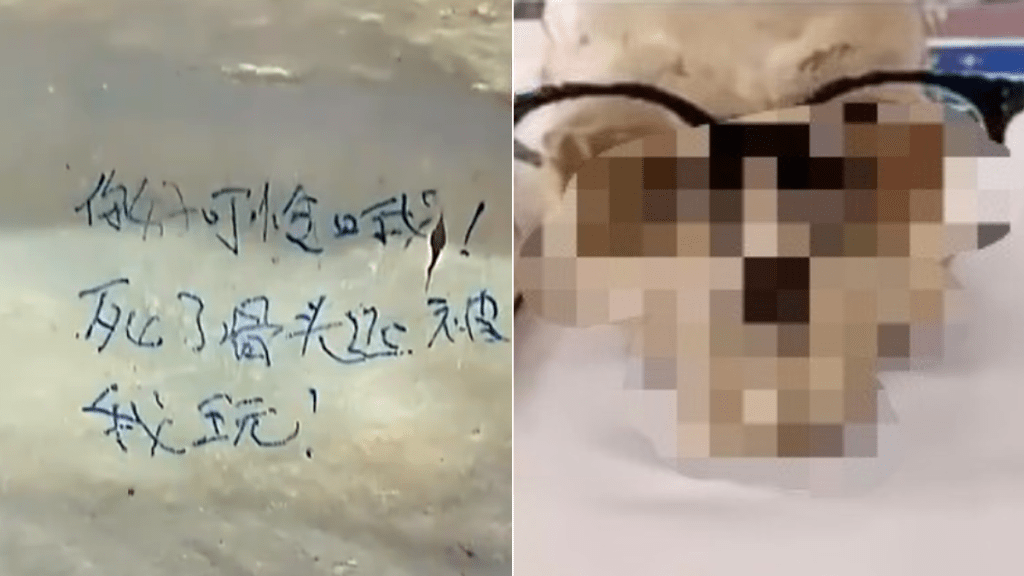
Recent incidents in China have sparked outrage among netizens for medical students treating cadaver specimens with disrespect. According to reports, a medical student wrote on a skeleton "died, the bones still need to be played with" in a training class, and photos of the disrespectful behavior were widely shared on social platforms, resulting in harsh criticism from the public. The incident at a university in Changsha, where a student posed with a cadaver head wearing glasses and shared it on WeChat Moments, further highlights the issue of a lack of reverence for cadaver specimens. The school's response, evading responsibility by citing lack of knowledge, has further fueled the public's displeasure. The cases serve as a poignant reminder of the gravity of the act of donating one's body for medical education. Donors can be respected doctors who have devoted their lives to medicine or ordinary citizens, whose final act is to enable the training of future medical professionals. Although many medical schools begin their anatomy classes with traditional rituals like recited oaths and silent prayers, the respect and solemnity should be reflected in every interaction with the specimens, not just at solemn moments. The incidents have prompted massive public condemnation, demanding that both the schools and relevant departments take strong actions and impose penalties on the students involved. Many citizens argue that a medical student with no reverence for cadavers should not be allowed to graduate or practice. Concerns are also raised about the possibility that such students might lack the necessary responsibility once they become doctors. These instances undoubtedly raise questions about whether cadaver donors are receiving the respect they deserve. As of September 2026, the China Organ Donation Network reports that over 69,000 cases of organ and body donation have been recorded.
Star Headline
Published: 2026-10-29 15:12:29
Cadaver Teacher | Medical Students in China Write Slanders on Skeletons, Wear Skulls with Glasses, Spark Outrage
Medical students in China have written slanders like “even after death, my bones were played with” on cadavers and shared photos on social media, sparking widespread public outrage. The incident has exposed a lack of respect for cadaver teachers, prompting widespread concern. Currently, many medical colleges are handling the issue inadequately, further raising public doubt. To date, the number of cadaver donations in mainland China has reached over 69,000 cases.
Source:
Star Headline ↗