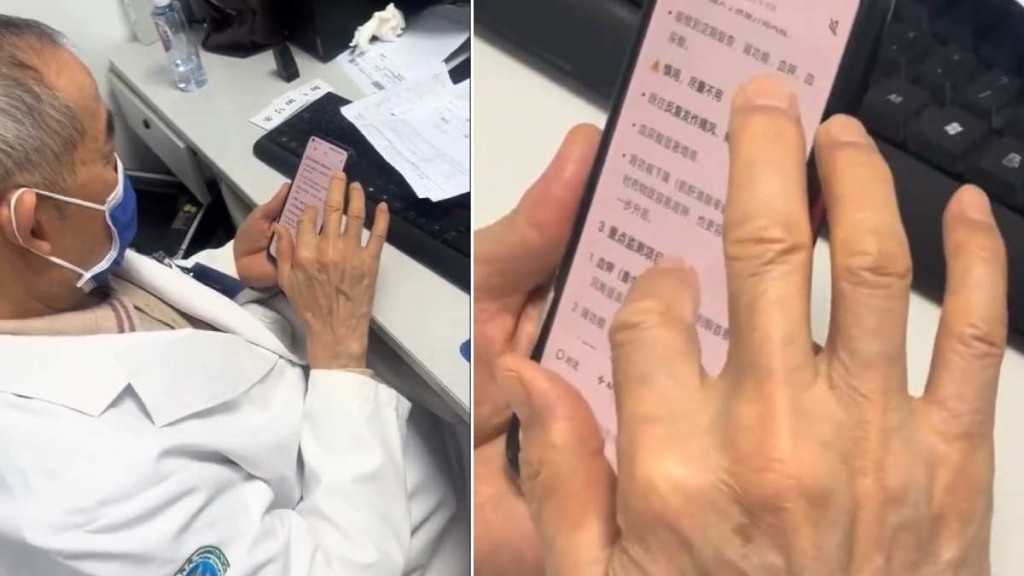
A patient in Jiangsu, China, became hesitant about taking medication after a doctor at Xuzhou Medical University Affiliated Hospital consulted 'Doubao' (a fictional name, referring to an AI drug database) during a consultation, sparking concerns among the medical community. According to reports, the patient's family sought treatment for an elderly relative's high blood pressure at the hospital but instead discovered the doctor using 'Doubao' to look up medication details. This incident made the patient's family uncomfortable with the prescription's safety and worried about accountability in case of an adverse reaction. An online post on the 25th of the month detailed the incident, highlighting that the family's elderly relative had been hospitalized for over ten days due to cardiovascular issues, and their blood pressure remained elevated after discharge. The family decided not to collect the prescription after this incident, continuing with the previous medication out of caution. However, some online users supported the doctor, arguing that using artificial intelligence (AI) to verify drug information and side effects does not exceed professional responsibilities. They noted that medical professionals can judge the accuracy of AI-provided data and bear the legal responsibility regardless of whether they consult 'Doubao' or not. According to regulations by the National Health Commission of China, doctors are currently prohibited from using AI to automatically generate prescriptions, and AI can only serve as a clinical auxiliary tool. The actual drug prescriptions are issued by doctors who are legally accountable for their decisions.
In recent years, China has been actively promoting the application of artificial intelligence in the medical field. However, this case in Jiangsu highlights the ongoing concerns about the appropriate use of AI in medical practices. The incident demonstrates both the benefits and potential risks associated with leveraging technology in healthcare, prompting discussions on professional ethics and legal liabilities.
The push for AI-assisted medical care aims to enhance efficiency and accuracy but raises questions about the balance between tech reliance and traditional medical approaches. This case in Jiangsu showcases the complex issues surrounding AI integration in healthcare, underscoring the need for clear guidelines and public understanding in managing these new technologies.