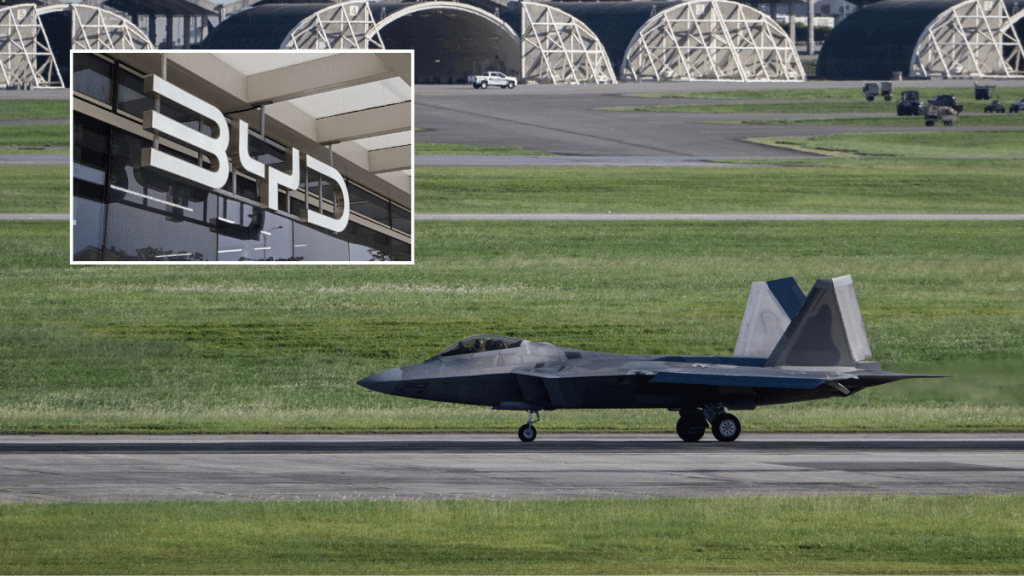
Japan's US military base at Kadena on Okinawa has banned all vehicles from Chinese automaker BYD from entering its premises. US military officials stated that cameras and sensors in electric vehicles could collect and leak sensitive security information at the base, posing an "unacceptable and irreconcilable" risk to personnel and missions. South Korean Yonhap News Agency cited similar bans might be expanded to US military bases in South Korea. According to US government officials, in June this year, the US Department of Defense listed BYD and over a hundred other Chinese tech and manufacturing firms on a "Chinese Military Enterprises" list, alleging ties to the Chinese People's Liberation Army. Chinese Ministry of Commerce and Ministry of Foreign Affairs both condemned the move as overgeneralizing national security concerns and unfairly targeting Chinese companies. In September, the Netherlands Intelligence and Security Agency issued a security advisory warning that GPS systems, microphones, cameras, entertainment systems, and Bluetooth connections in modern connected cars could be exploited for espionage or remote control by other nations.
Kadena is the largest airbase in the Far East for the US military, serving as a key strategic hub in the West Pacific and the "first island chain" to counter geopolitical threats. The 18th Airborne Corps is stationed at the base, which also houses the Tomahawk cruise missile-firing Tyr antisubmarine warfare system. By imposing such bans, the US military aims to protect sensitive information and operations at the base.
The decision comes as the US continues to implement stricter security measures against Chinese companies, particularly those perceived to have ties with the Chinese military. As electric vehicles become more prevalent in military and civilian use, concerns about data security and potential espionage are increasing. In response to these developments, officials are stepping up efforts to ensure that military bases remain secure from unauthorized data breaches and potential foreign interference.