On Monday, Jordan conducted air strikes on militant hideouts in southern Syria, following the deadly church attack in the kingdom last week that involved terrorist groups.
Tensions Rise
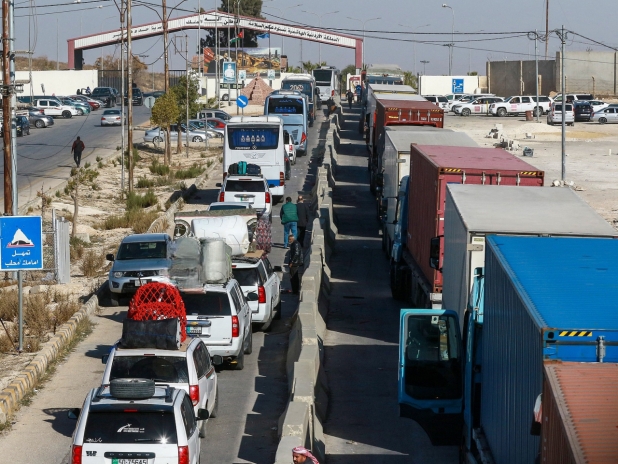
Syria subsequently closed the Nassib border crossing with Jordan on Tuesday, halting passenger and commercial traffic in both directions due to developments in Daraa province. Nassib is Jordan's sole border crossing with Syria, and its closure is significant for bilateral relations.
Criminal investigations are ongoing, with no apparent links to other terrorist cells. The church attack on a Greek Orthodox church in Hamoud, south of Amman, also caused injuries to 34 people. The security forces are investigating and pointed out that those involved will face justice. Jordan considers the case serious, as such violence is rare in the relatively stable kingdom. The country is determined to respond with an "iron fist" and does not tolerate extremist terrorism, as stated by Interior Minister Mazen al-Faraya. The Syrian militants' hideouts targeted by Jordan were in southern Syria, close to the Jordanian border. The strike followed intelligence indicating that suspects behind a deadly church attack in Jordan were associated with militant groups operating in the area. The closures of the border crossing come amid heightened tensions and an ongoing investigation into who is responsible for the attack and potential links to other militant cells in the region. The move to close the border highlights the complexity and sensitivity of the situation in the contested border regions.