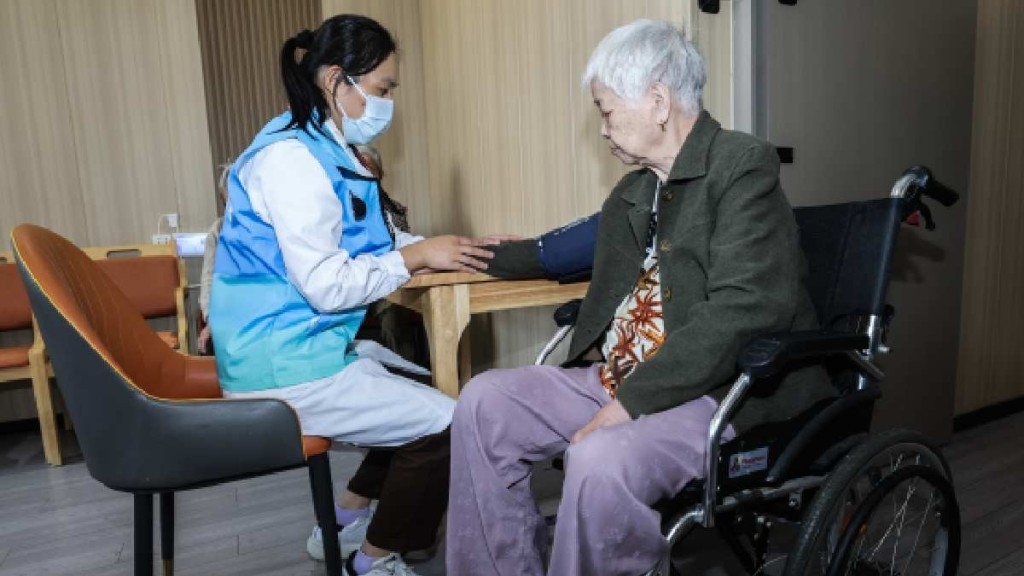
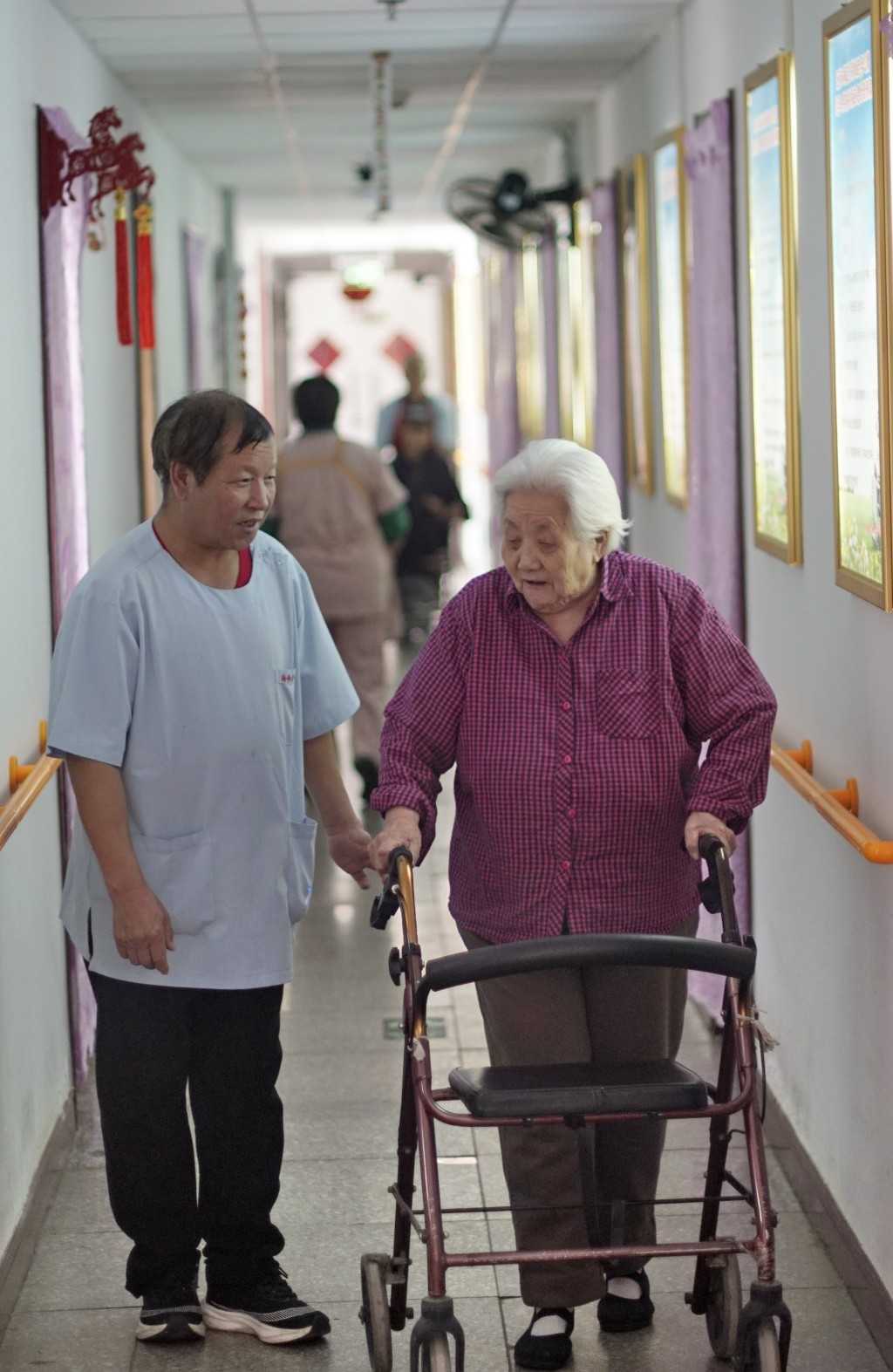
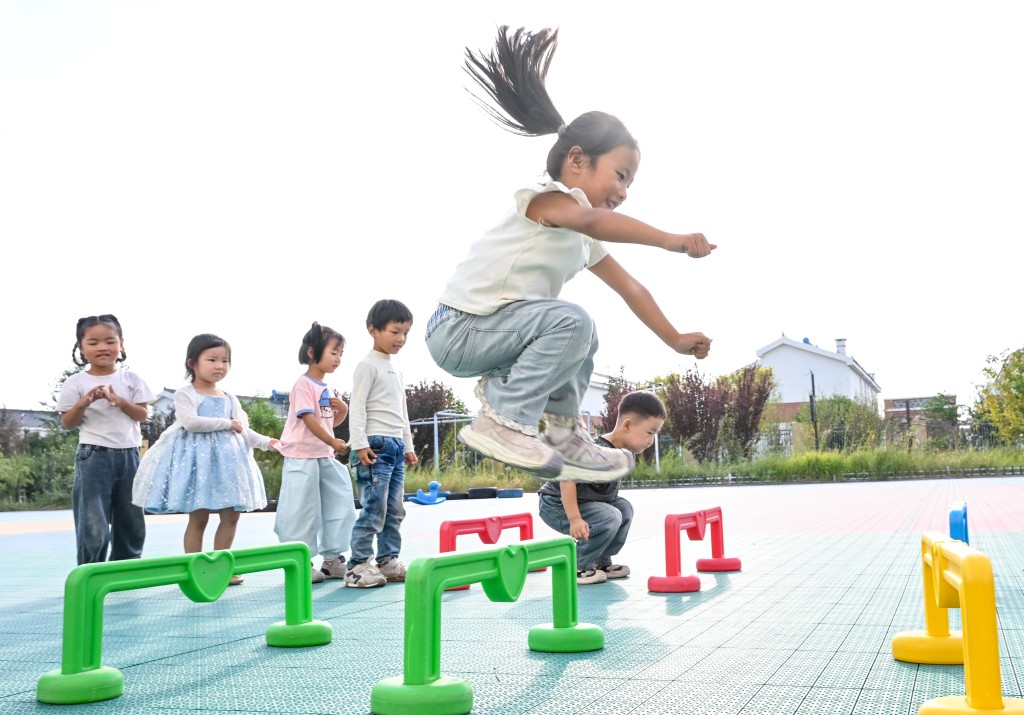
China is shifting towards an "elderly-care" society, with the elderly dependency ratio surpassing the child dependency ratio for the first time. According to the latest official data, last year the elderly dependency ratio reached 23.1%, while the child dependency ratio was 22%. This means that for every 100 working-age individuals, there are now 23.1 seniors and 22 children. Meanwhile, the average family size in China has shrunk to 2.52 people, down from 3.1 people ten years ago. Minister of Civil Affairs Li Changgong noted in a commentary that changes in family structures have weakened intergenerational support for elderly care and child-rearing, challenging traditional ways of protecting against risks through family reliance. The 2026 China Statistical Yearbook, released by the National Bureau of Statistics, indicates that last year, there were 212.76 million people aged 0 to 14, accounting for 15.1% of the total population, and 223.65 million people aged 65 and over, making up 15.9% of the population. Based on these figures, the overall dependency ratio was calculated to be 45.1%, with the child dependency ratio at 22% and the elderly dependency ratio at 23.1%. This marks the first time the elderly dependency ratio has surpassed the child dependency ratio. The child dependency ratio is defined as the ratio of 0 to 14-year-olds to 15 to 64-year-olds (the working-age population), while the elderly dependency ratio is the ratio of those 65 and above to the working-age population, being two crucial indicators for measuring a country's or region's demographic burden. China's population is increasingly facing dual pressures of aging and declining birth rates. The elderly dependency ratio has been on the rise in recent years, from 15% in 2016 to 20.8% in 2021, and reached 22.8% in 2024, when the child dependency ratio was 23%. The average family size in China has been decreasing, from 3.1 people in 2015 to 2.52 people in 2024, down by 0.58 people. Minister Li Changgong emphasized that China has entered a phase of population reduction, with demographic trends showing aging, fewer children, and regional population growth and decline. He also pointed out that the family size has been shrinking, weakening intergenerational support for elderly care and child-rearing, and challenging traditional practices of using family to mitigate risks. Measures to strengthen elderly care services include implementing the national basic elderly care service list, enhancing community-based elderly care facilities, and supporting family elderly care. China is also exploring sustainable rural elderly care models and improving elderly care services that are close to home.